




















































The Aged Care Quality Standards: A Practical Guide for Kitchen Managers
Residential aged care providers operate under a quality framework that is more prescriptive than the food safety requirements most commercial kitchens are used to. The Aged Care Quality Standards set specific obligations around food and nutrition, and for kitchen managers, understanding what those obligations mean day to day is what keeps an audit from becoming a corrective action plan.
There are eight standards in the framework, and while food service sits most directly under Standard 5, the obligations that land on the kitchen run across several of them.
Standard 5: Food, Nutrition and the Service Environment
Standard 5 requires providers to ensure food and nutrition meets each resident's assessed needs, dietary requirements, and personal preferences. That is not a vague commitment to providing good meals. It means the kitchen must have working systems to receive, record, and act on individual dietary information, covering allergies, cultural and religious requirements, and texture modifications under the IDDSI framework.
A verbal handover between the dietitian and the kitchen, or a shared spreadsheet that gets updated when someone remembers to, is not a system. Auditors ask how the process works and what happens when a resident's needs change. If there is no documented process, there is no evidence that it functions consistently, and that is a finding.
Standard 3: Individual Care and the Kitchen's Role
Standard 3 requires that each resident's care plan specifically covers food and nutrition needs. For kitchen managers, this creates a direct obligation. When a resident's dietary requirements change following a swallowing assessment or a new clinical recommendation, that update needs to reach the kitchen quickly and reliably. If the communication process between the care team and the kitchen is not documented, auditors will want to understand how it works in practice, and how long it typically takes.
Standard 7: Governance and Documentation
Standard 7 covers the organisation's governance systems, and this is where kitchen managers often underestimate their role. Food safety plans, incident records, and monitoring logs are not internal paperwork. They are the evidence base an auditor uses to determine whether the organisation is managing its obligations, not just saying it does.
A kitchen that keeps signed temperature logs, completed cleaning schedules, and a record of any food-related incidents is in a much stronger position than one where this information exists in someone's head. The documentation does not need to be elaborate. It needs to be consistent and current.
Where Kitchens Commonly Come Unstuck
Most aged care kitchen audit findings do not come from a single serious failure. They come from gaps in routine documentation. A temperature log with missing entries across several days. A cleaning schedule that staff are not signing off. A dietary update from allied health that took a week to reach the kitchen. These are the patterns auditors notice, and they are the ones that generate corrective action requests.
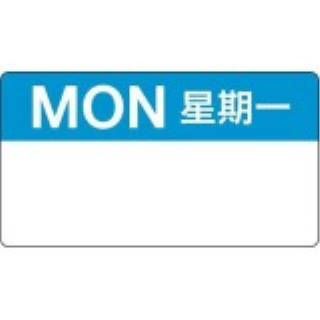
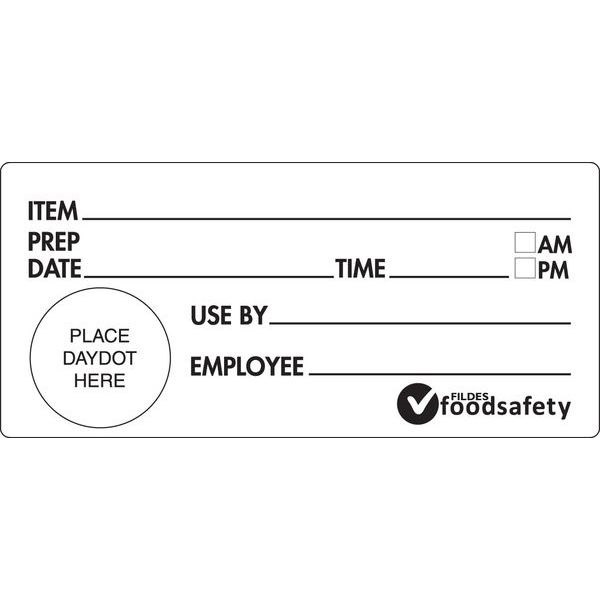
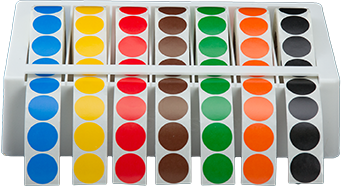
Labelling sits at the centre of several of these risks. IDDSI texture labels on individual meals, allergen identification at point of service, and date labels on stored ingredients all contribute to a kitchen that can demonstrate it is doing what it says it is doing.
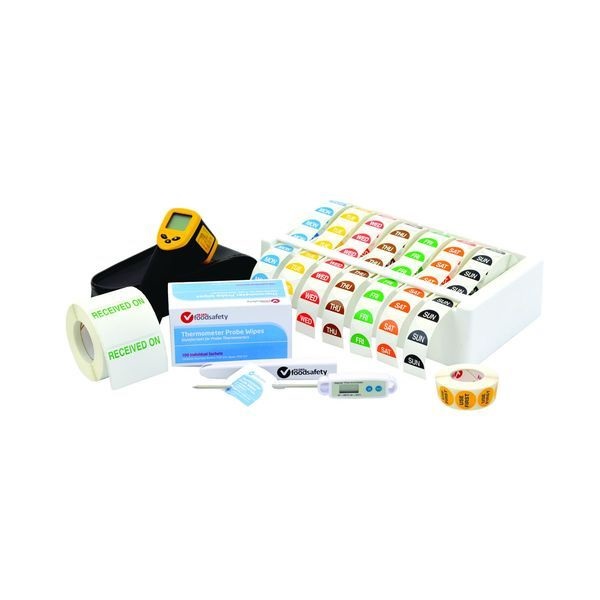
Fildes Food Safety supplies a range of products suited to aged care kitchens, including IDDSI labels, allergen alert labels, day dot labels, and food safety documentation resources.
A comprehensive aged care essentials checklist is available to download at www.foodsafetysolutions.com.au/download/resources/aged-care-industry-essentials-checklist.
Share