















FIFO Stock Rotation: The System Most Kitchens Think They're Running
Ask most commercial kitchen staff whether they rotate their stock on a First In, First Out basis and the answer will be yes. Ask them to show you how, and what you often find is that products carry no received date, new deliveries go at the front of the shelf because there is no room at the back, and different staff members have different understandings of what the system involves.
FIFO is one of those food safety practices that is well understood in theory and poorly maintained in practice. The concept is not complicated: use the older stock first. The problem is that in a busy kitchen, this requires information, physical organisation, and consistent behaviour across every person who uses the storeroom or cool room, including staff who have just started and have had no briefing on the system.
When FIFO breaks down, the first consequence is waste. Products get pushed to the back of shelves and used after their recommended storage period. Beyond the cost of throwing out stock, there is a food safety dimension. Ingredients stored past their safe use period carry a higher risk of spoilage and bacterial growth, and in a kitchen that relies on FIFO as a control measure in its food safety plan, a system that does not function is a compliance gap.
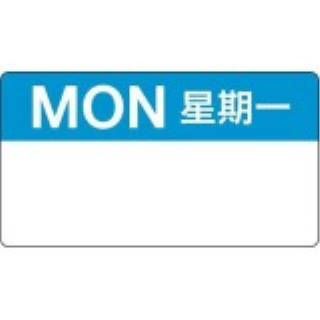
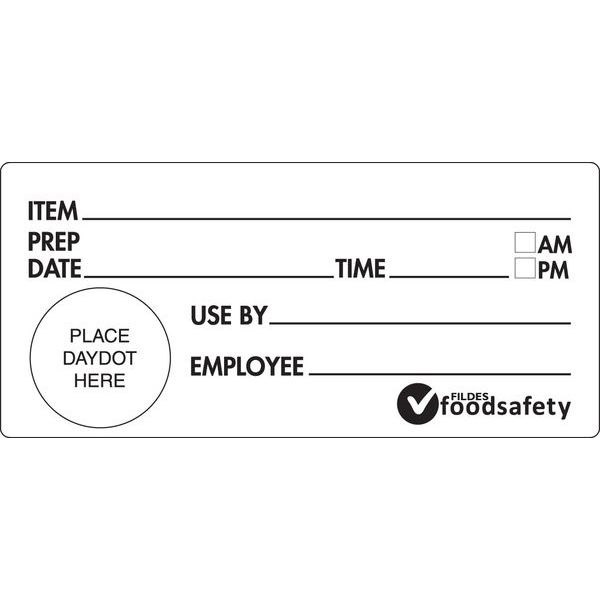
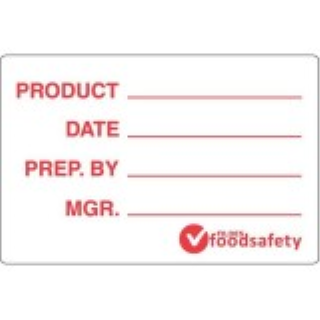
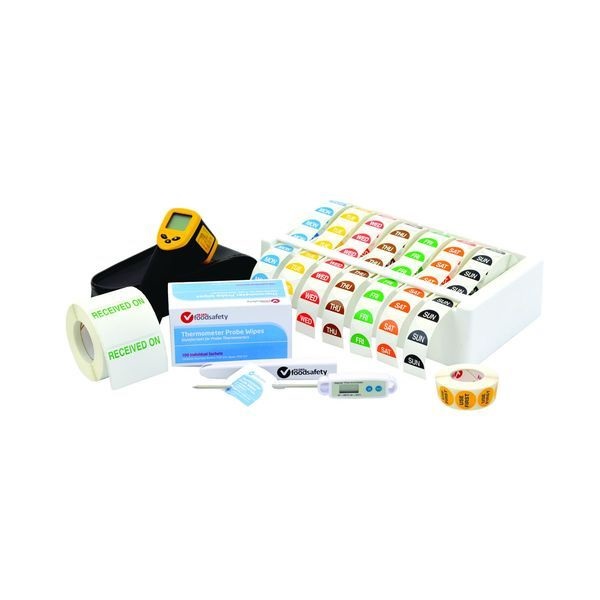
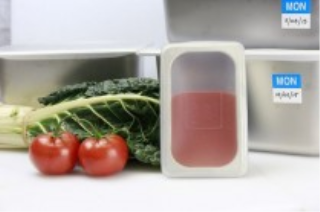
The foundation of a FIFO system that holds up under pressure is labelling. Every product that enters a storage area needs to carry the date it was received. This applies to raw ingredients arriving on a delivery, to dry goods going into the pantry, and to prepared food items going into cool room or freezer storage. The label is what makes it possible for any staff member, at any point in a shift, to identify which of two containers of the same product arrived first. Without that label, the decision gets made by guesswork, or not at all.
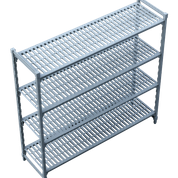
Physical organisation of storage areas reinforces the system. Oldest stock at the front, newest at the back. This requires storage areas to have enough space to move stock around during a delivery, and for receiving staff to take the time to do it rather than loading everything in wherever it fits.
Training is the third element, and it is often the one that gets least attention. Staff who understand why FIFO exists are more likely to follow it consistently than staff who have simply been told to check the dates. When someone understands that a FIFO failure can mean serving a customer food that has been in storage beyond its use period, it changes how they approach the receiving and storage process.
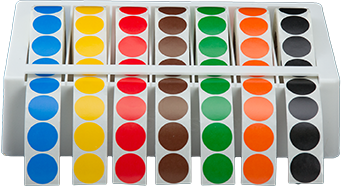
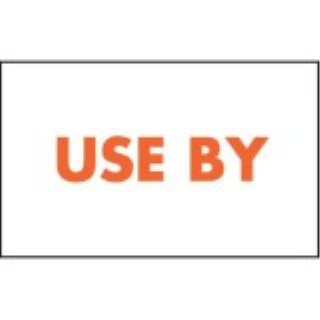
Fildes Food Safety stocks a range of products to support FIFO systems in commercial kitchens, including received date labels, day dot labels, and food rotation labels in dissolvable stock for easy removal from containers.
View the range of labels here or call 1800 673 644 to order.
Share