






















What the IDDSI Framework Means for Aged Care Kitchens
In any aged care kitchen, the risk profile is different from a standard commercial kitchen. You're cooking for people who often have multiple health conditions, reduced immunity, and in many cases, swallowing difficulties that mean the texture and consistency of food is not just about quality. It is about safety.
Around one in three residents in residential aged care have dysphagia, a condition that affects swallowing and significantly increases the risk of choking or aspiration pneumonia. For years, Australian kitchens managed this with informal terminology. Minced. Mashed. Soft. Pureed. The problem is that each of those words means something different to every person using them, and in a care setting where meals are prepared across multiple shifts by different staff, that inconsistency creates risk.
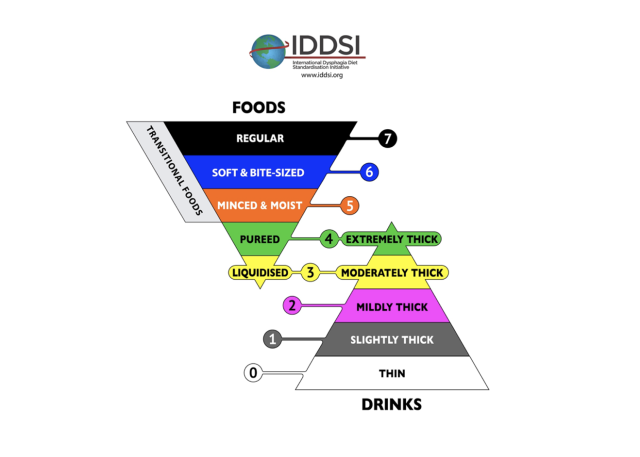
That's why the International Dysphagia Diet Standardisation Initiative, known as IDDSI, was introduced. It replaces descriptive terms with a numbered framework and colour-coded system that gives everyone in the kitchen the same point of reference, from the head chef to a new casual staff member on their first shift.
The IDDSI framework runs from Level 0 to Level 8:
• Level 0: Thin, water consistency
• Level 1: Slightly Thick, grey
• Level 2: Mildly Thick, pink
• Level 3: Moderately Thick or Liquidised, yellow
• Level 4: Pureed or Extremely Thick, green
• Level 5: Minced and Moist, orange
• Level 6: Soft and Bite-Sized, blue
• Level 7: Easy to Chew, black
• Level 8: Regular, black
Each level has defined testing methods so kitchen staff can verify that food and fluids meet the required consistency before they leave the kitchen. The fork drip test and spoon tilt test are the most used at meal level.
In practice, what changes is how kitchens label and communicate each resident's dietary requirements. A care plan might specify that a resident requires Level 5 Minced and Moist meals, and it is the kitchen's responsibility to make sure every meal delivered to that resident is correctly prepared and correctly identified. In a large facility preparing meals for 60 or more residents across multiple dietary levels, verbal communication between staff is not a reliable system on its own.
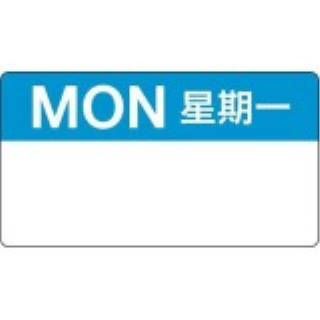
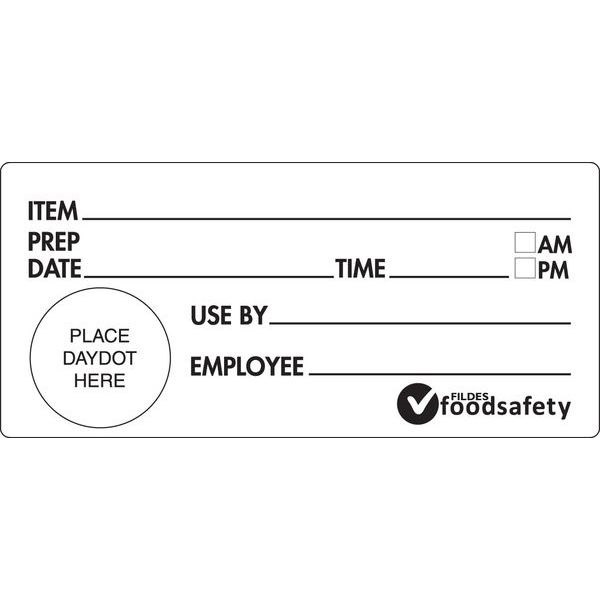
Labels on meal trays, containers, and prepared food items tell the next person in the chain exactly what level they are working with, and they need to be correct every time. A label applied to the wrong tray is not just an administrative error in an aged care setting. It can lead to a serious clinical event, an incident report, a review process under the Aged Care Quality Standards, and in some cases a formal investigation.
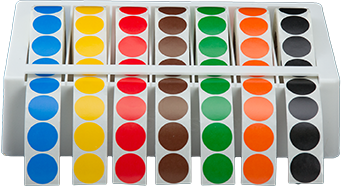
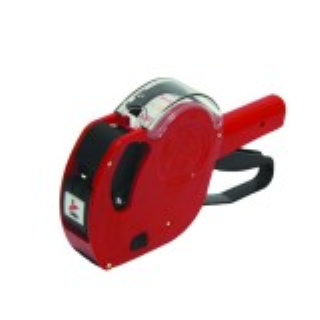
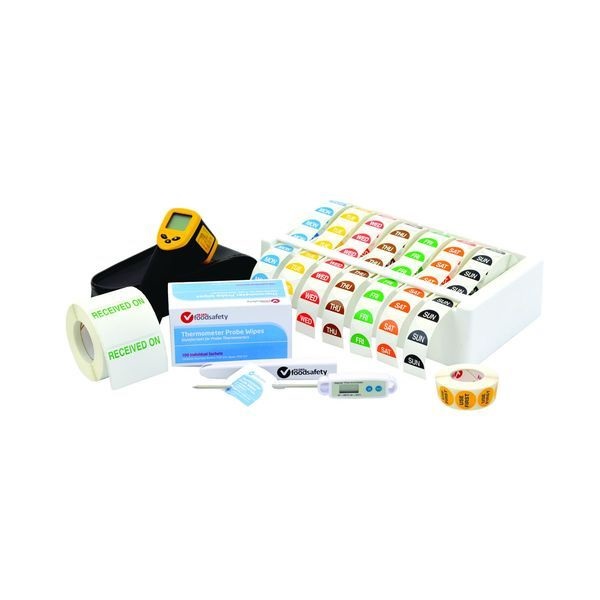
Most of these incidents are preventable with the right labelling systems in place. Fildes Food Safety produces a range of IDDSI-specific labels colour-coded to match each level of the framework. These are designed for commercial kitchen environments and hold up to refrigeration and reheating processes. Labels are available for all levels and are suitable for residential aged care and home care catering.
If your facility is still using handwritten or generic labels for texture-modified meals, it is worth reviewing how consistently those labels are applied across all shifts. The IDDSI framework only works if everyone in the kitchen is applying it the same way every day.
View here more information on Fildes' IDDSI label range or call 1800 673 644.
Share