


































New Seafood Origin Labelling Laws: What Hospitality Businesses Need to Have in Place Before 1 July 2026
Australian consumers have been asking for better information about where their seafood comes from for years. From 1 July 2026, they will have it, and hospitality businesses will be the ones required to provide it.
The Australian Government's new mandatory labelling requirements apply to restaurants, cafes, pubs, hotels, catering operations, and any other food business serving seafood to the public. The compliance framework is built around a system called the AIM model.
The AIM model uses a single letter to show where the seafood in a dish originates. A for Australian. I for Imported. M for Mixed, meaning the dish contains seafood from both Australian and overseas sources. The letter must be displayed clearly at point of service.
For dishes containing multiple seafood types from different origins, operators have two options. They can apply an M designation to the whole dish, or they can label each individual seafood component with an A or I. The second approach involves more work at service but gives customers more specific information about what is on the plate.
The driver behind the legislation is consumer information. There has been documented concern over inconsistent marketing of product origin in the Australian market, and this law puts a clear obligation on businesses to disclose. Imported seafood is not inherently inferior to Australian seafood, but consumers have a right to know what they are buying.
The risks of non-compliance go beyond a regulatory fine. Hospitality operators found to be mislabelling seafood origin, or failing to label at all, face reputational exposure that is difficult to recover from in a market where provenance matters to dining customers.
A few steps to work through before 1 July 2026:
• Go through your menu and identify every dish that contains seafood.
• Confirm the origin of each seafood ingredient with your supplier, and make sure origin documentation becomes part of your standard supplier paperwork going forward.
• Decide whether you will use the M designation for mixed dishes or label each seafood component separately.
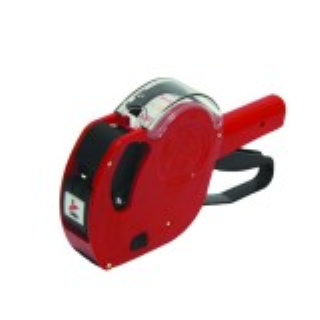
• Decide how you will display the labelling. For businesses with fixed menus this may mean updating printed materials. For catering operations or kitchens with regular menu changes, a label system is more practical than reprinting.
• Order your labels with enough lead time that staff are trained and set up before the law takes effect.
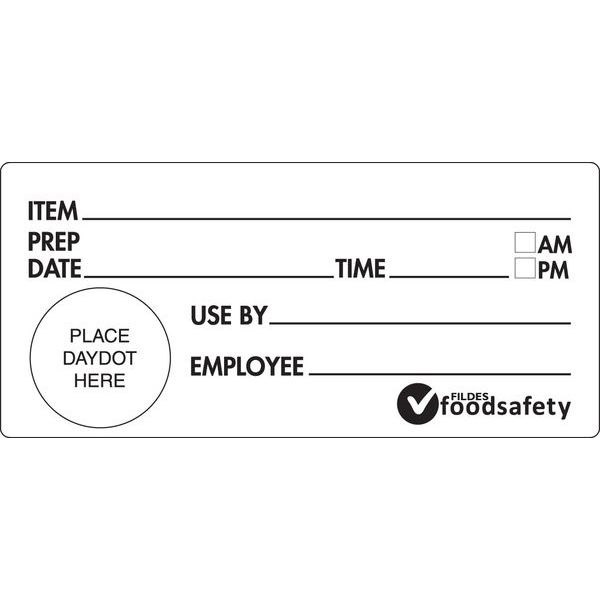
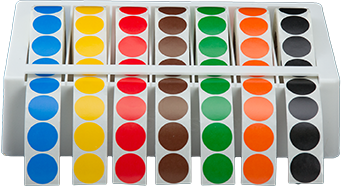
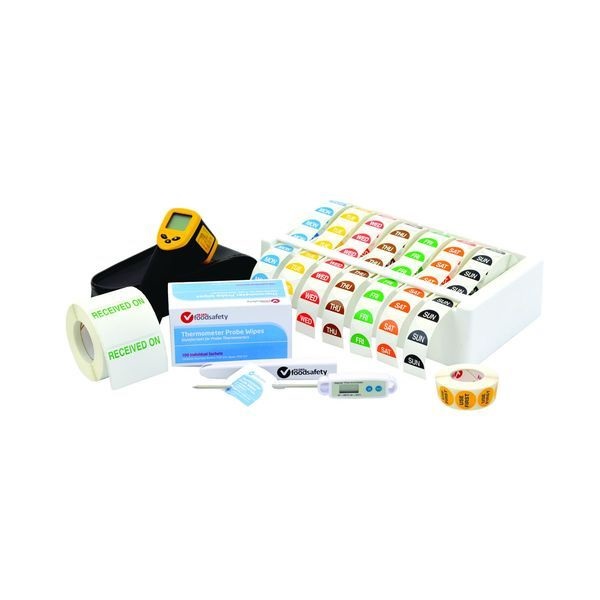
Fildes Food Safety has developed a range of permanent seafood origin labels to meet the new requirements, including individual circle labels for AUSTRALIAN, IMPORTED, and MIXED designations, and a comprehensive per-product marking label. All are available in permanent adhesive stock suitable for commercial kitchen use.
Visit https://www.foodsafetysolutions.com.au/c/labelling-and-rotation or call 1800 673 644 for more information.
Share