



























Getting Food Safety Right in Long Day Care
Long day care sits in a tighter regulatory position than almost any other operation of its size. Under the Australia New Zealand Food Standards Code, Standard 3.3.1 (Food Safety Programs for Food Service to Vulnerable Persons) treats a centre preparing potentially hazardous food for six or more children in care as serving vulnerable persons. That triggers a documented food safety program built to Standard 3.2.1 and, in most jurisdictions, external audit of it. A 60 place centre with one cook carries an obligation that a 200 seat restaurant does not.
In practice the program itself is rarely the issue. Most centres hold a competent, auditable document. The value sits in how closely it tracks what happens between 10:30 and midday, and that is where a few targeted controls make the most difference.
Two sets of eyes on the same kitchen
A centre answers to a food safety auditor under state food law and to an authorised officer under the Education and Care Services National Regulations. The regulations cover hygiene and safe food practices, food and beverages, and the requirement to have the weekly menu displayed and to accurately describe what is served.
That last point is worth attention. If the delivery arrives short and the cook substitutes chicken for fish at 9am, the change is a food safety record and a National Law record at once. Menu substitutions logged in the kitchen but never carried across to the displayed menu turn up in assessment and rating as a Quality Area 2 issue, not a food one.
Control passes at the servery door
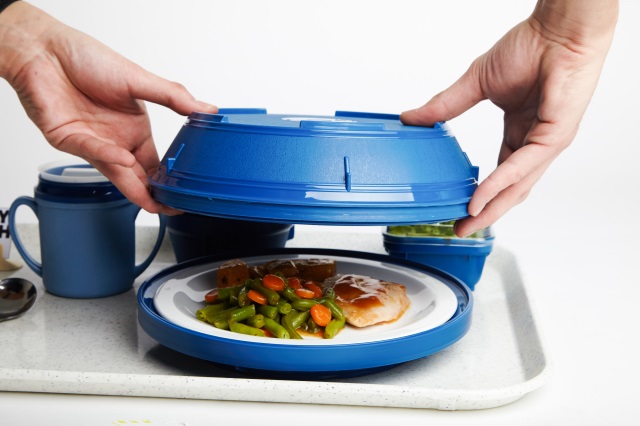
Most food safety programs are written to the point of dispatch. Temperature is probed, recorded, and the trolley leaves the kitchen. From there the food sits in insulated containers, moves through two or three rooms, and is served across a window that can stretch past 40 minutes once staggered sleep routines and slow eaters are accounted for. Educators serving it are food handlers under the Code, but they are seldom named as such in the program and rarely appear in the training matrix.
Two practical corrections: record a temperature at the point of service in the room rather than only at dispatch, and set a written discard time on the container so the two hour clock belongs to someone specific instead of being assumed.
Cooling: the checkpoints auditors look for
Standard 3.2.2 of the Code requires cooked food to move from 60 to 21 degrees within two hours and from 21 to five degrees within a further four. Centre batch sizes make this deceptively hard. Six litres of bolognese in a deep container with the lid on will not clear the first checkpoint, and because the finished product reads correctly the next morning, the failure is invisible without interim records.
Shallow decanting, probing the centre of the densest part of the batch, and logging both checkpoints rather than the end state is what an auditor is looking for. A single reading at the end of the process demonstrates nothing about the four hours before it.
Allergen management is a change control problem
Awareness is rarely the issue. The dietary matrix that was accurate in February simply drifts by August. Children enrol mid-year, ASCIA action plans are updated, medical directions change, and a child moves rooms and takes a different educator with them.
The control worth building is a scheduled reconciliation, signed and dated, between enrolment records, the kitchen matrix, and the labelling used on portioned meals. Monthly is defensible. Quarterly is not, in a setting where enrolment turns over continuously.
Supplier labelling deserves a parallel review. Plain English Allergen Labelling requirements changed how allergens are declared on packaged product, so an ingredient assessment done a few years ago should be repeated rather than relied on.
Food that does not come from the kitchen
Birthday cakes, cultural celebration food, family-provided meals, expressed breast milk and made-up formula all bypass the cook entirely, and all sit within the centre’s food safety program whether the program mentions them or not. Auditors expect a documented policy covering acceptance, storage and refusal.
Expressed breast milk carries the highest consequence for a labelling error. Name, date and time on receipt, a defined discard rule, and no decanting without relabelling. It is the one product in the building where a mix-up becomes a notifiable incident and a conversation with two families.
Building for the relief cook
Single-cook kitchens concentrate knowledge in one person. When that person takes leave, the relief cook inherits the program cold. Food safety supervisor certification has a five year currency, food handler skills and knowledge now explicitly include allergen management, and records under Standard 3.2.2A need to be retained for three months. None of that survives a fortnight of agency cover unless the system is legible without the regular cook standing next to it.
Worth checking this quarter
• Interim cooling records, not just final temperatures, on every cooked batch
• A temperature reading taken in the room at point of service
• Signed reconciliation of enrolment allergy records against the kitchen matrix
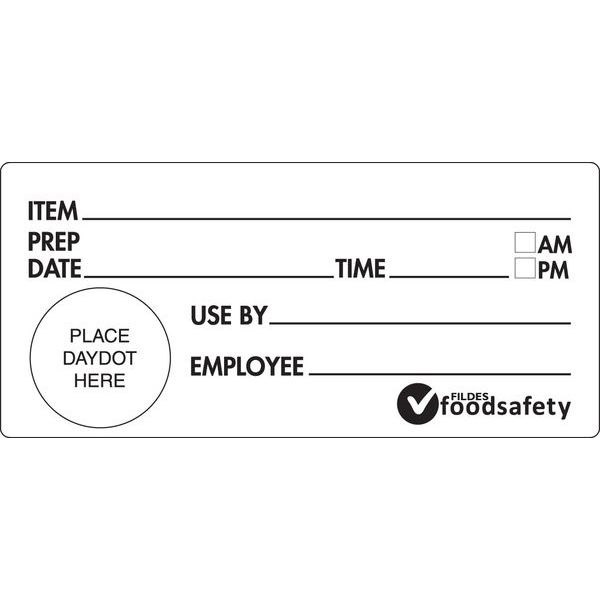
• Named allergen and date labelling that survives portioning and decanting
• A written policy for food brought in by families, including celebration food
• Expressed breast milk labelling and discard rules audited against practice, not policy
• Displayed weekly menu reconciled against substitutions logged in the kitchen
• Food safety supervisor certificate currency and relief cook induction records
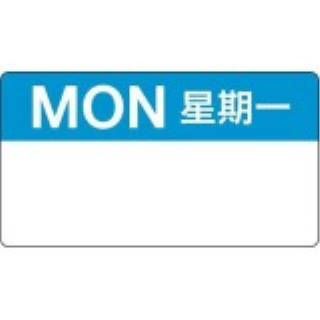
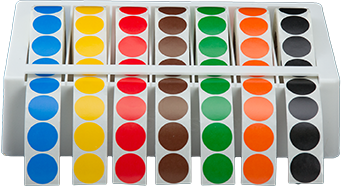
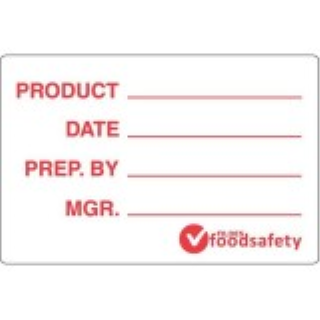
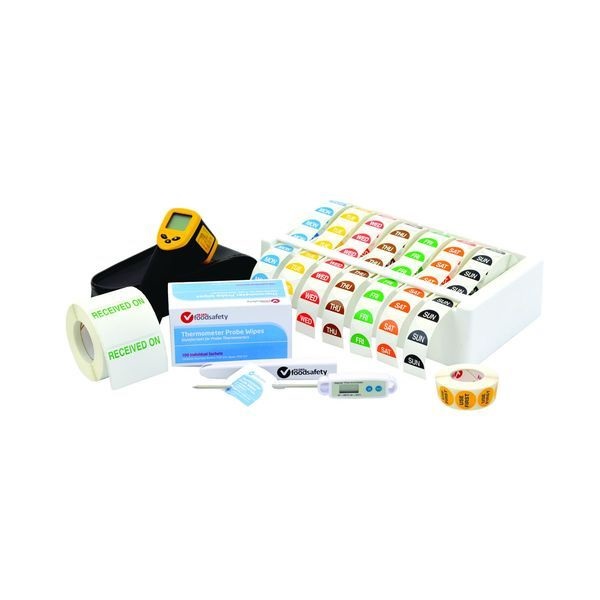
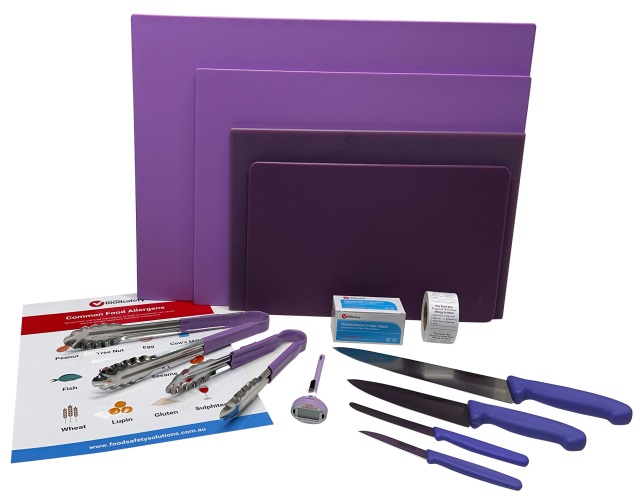
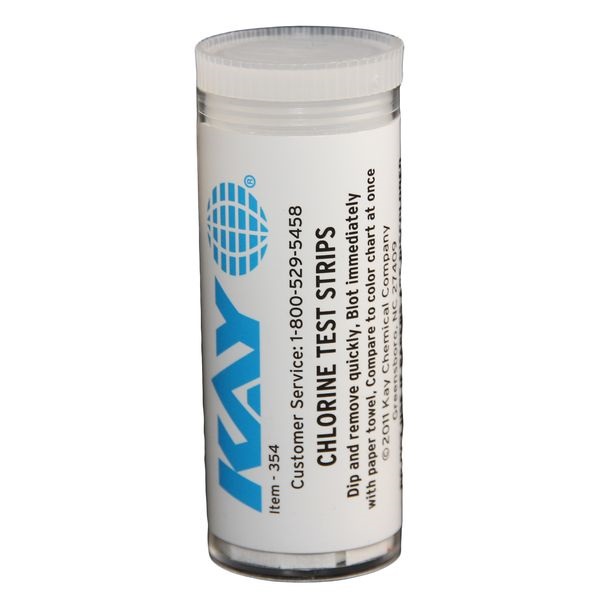
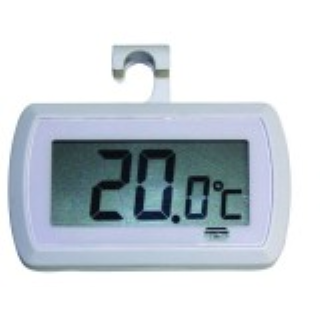
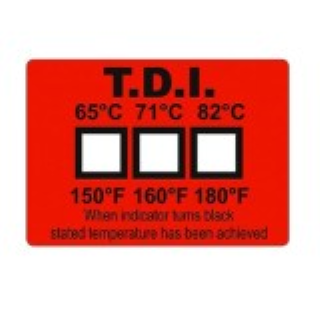
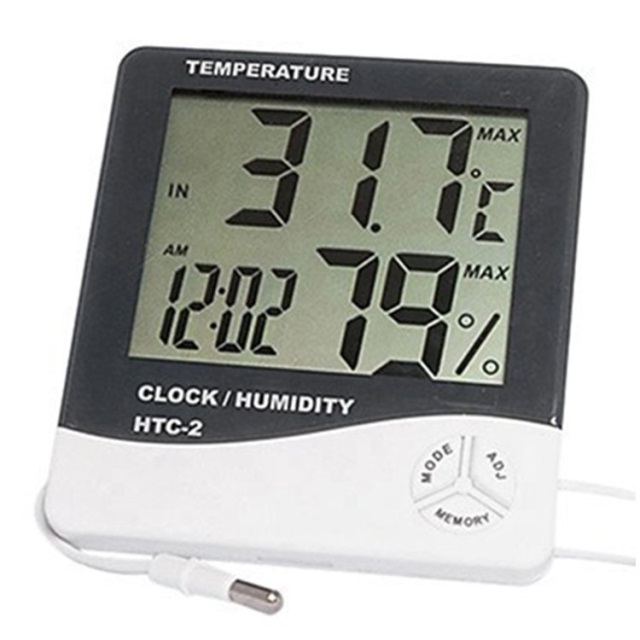
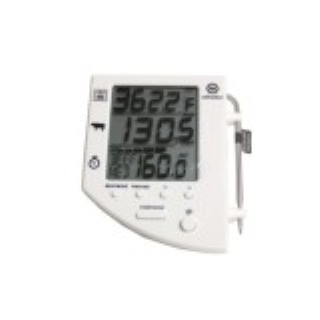
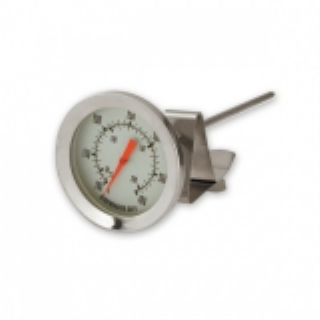
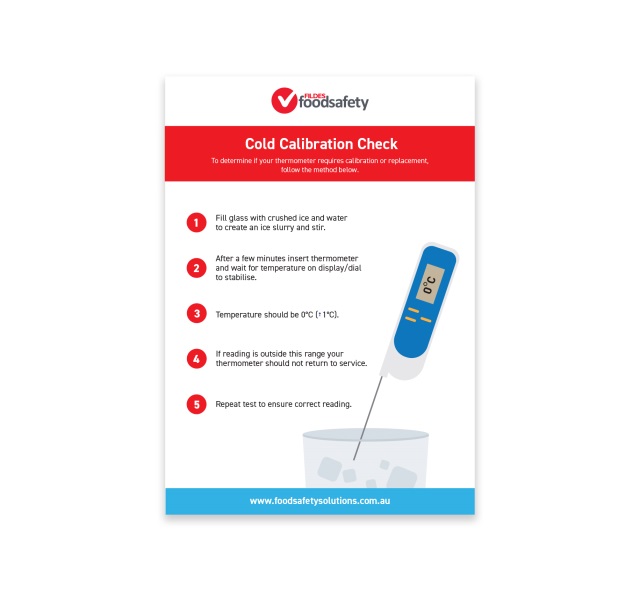
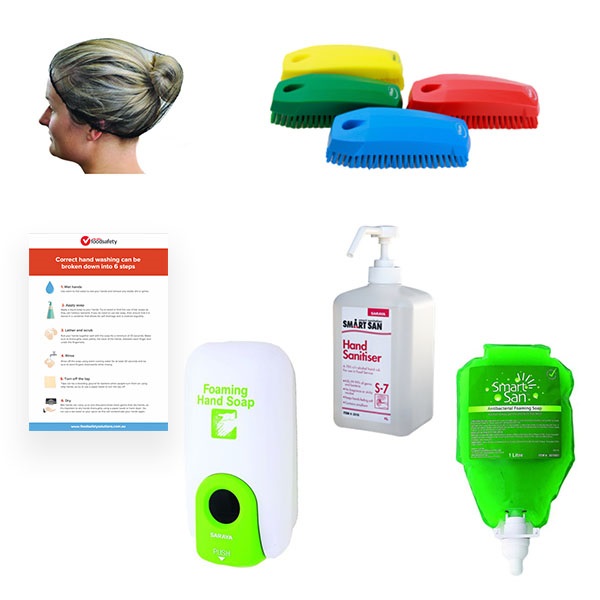
Fildes Food Safety supplies a range of allergen alert, day dot and use-by labels, colour coded preparation equipment, probe thermometers and temperature logging tools.
For a review of what your childcare kitchen is using, call 1800 673 644 or email sales@fildesfoodsafety.com.au.
Share