







Implementing Allergen Management Systems
Most commercial kitchens understand that allergen management matters. Far fewer have a system that holds up when service gets busy, staff change, and the person who was briefed on a table's dietary requirements is no longer on the floor.
The Australia New Zealand Food Standards Code sets out mandatory declaration requirements for allergens under Standard 1.2.3. In a commercial kitchen serving food on-premises, the obligation is to ensure customers who ask about allergens receive accurate information, and to handle allergen containing ingredients in a way that prevents cross-contact with food served to allergen sensitive customers. Standard 3.2.2A reinforces this: Category 1 businesses must actively demonstrate they are managing food safety risks, and allergen risk is included in that obligation.
Declarable allergens under Australian standards
The allergens that must be declared under the Code include peanuts, tree nuts (almonds, cashews, hazelnuts, macadamia nuts, pecans, pine nuts, pistachios, and walnuts), milk, eggs, gluten-containing cereals (wheat, rye, barley, and oats), fish, shellfish and crustacea, sesame seeds, soy, lupin, and sulphites at concentrations of 10mg/kg or above. Each requires clear identification on menus and the ability for kitchen staff to confirm allergen information accurately and quickly when asked.
Building an allergen matrix
The practical starting point for any kitchen managing allergen risk is an allergen matrix for your menu. This is a grid mapping each dish against each declarable allergen, showing which dishes contain each allergen as an ingredient, which carry a cross-contact risk due to shared equipment or preparation surfaces, and which are genuinely free of that allergen. A matrix that is accurate and current gives front of house staff a reliable reference when queries come in, rather than requiring a check with the kitchen every time.
Cross-contact versus cross-contamination
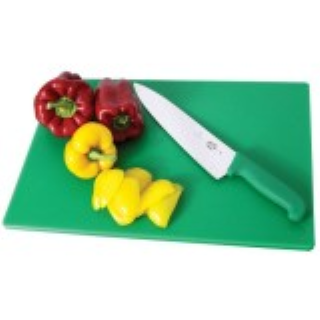
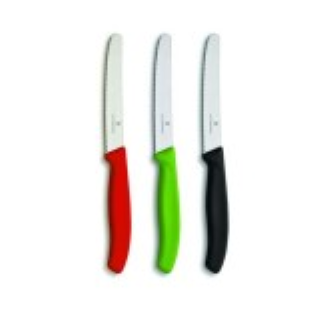
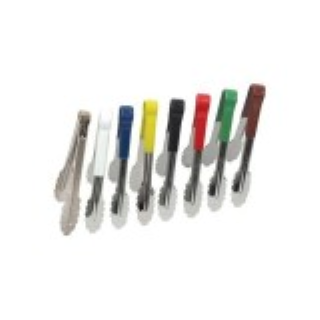
A distinction worth understanding clearly is the difference between cross-contact and cross-contamination. Cross-contamination in food safety refers to the transfer of microorganisms from one food or surface to another. Cross-contact is specific to allergen management: it is the transfer of allergen protein from one food to another through shared surfaces, equipment, or preparation steps. A surface cleaned to a standard food safety level may not have had all allergen protein removed. This is why colour-coded preparation equipment and dedicated allergen-free utensils matter in kitchens managing allergen sensitive orders alongside the standard menu.
Communication between front of house and kitchen
Front-of-house and back-of-house communication is where allergen systems most commonly fail. A customer discloses a nut allergy at the table. The server communicates this to the kitchen. The dish is prepared without nuts, but using the same board and knife that had been used for a nut-containing dish earlier in service. The food reaches the customer and causes a reaction. At each stage, someone did what they understood to be correct. The failure was systemic.
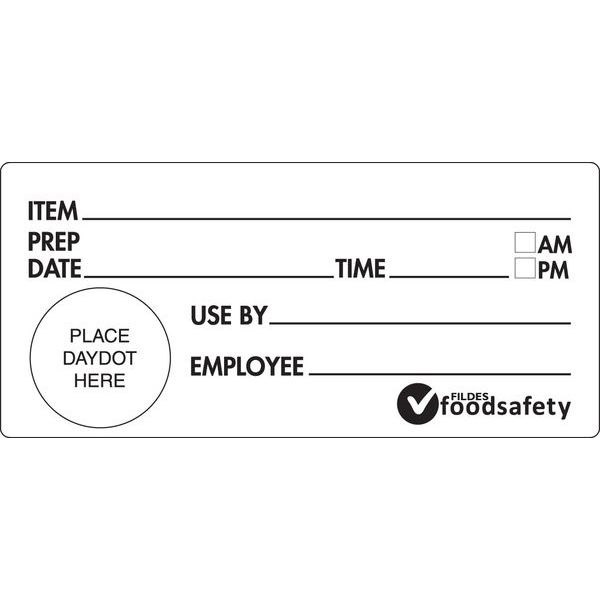
A ticket based or label based allergen alert system, where the allergen requirement is documented at point of order and follows the dish through to service, is more reliable than verbal communication alone in a busy service environment.
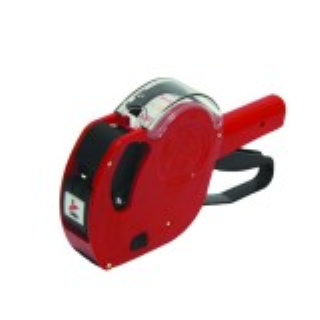
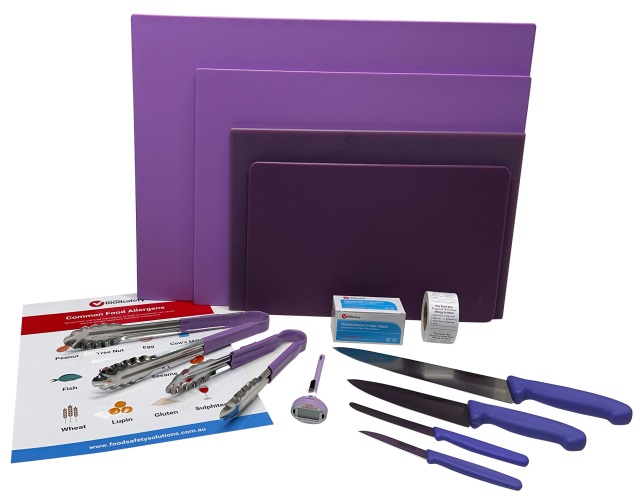
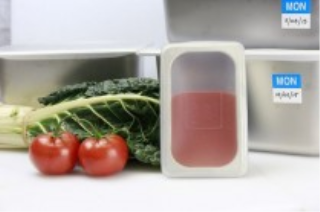
Fildes Food Safety supplies the Purple Allergen Complete Kit, which includes dedicated colour coded preparation equipment for allergen-free food preparation. The food advisory label range includes allergen and dietary advisory labels for marking prepared dishes and storage containers. Colour-coded chopping boards and accessories are also available to support separation at the preparation stage.
To find out more, visit www.foodsafetysolutions.com.au, or call 1800 673 644 or email sales@fildesfoodsafety.com.au.
Share