







Cold Chain Compliance: From Delivery to Plate
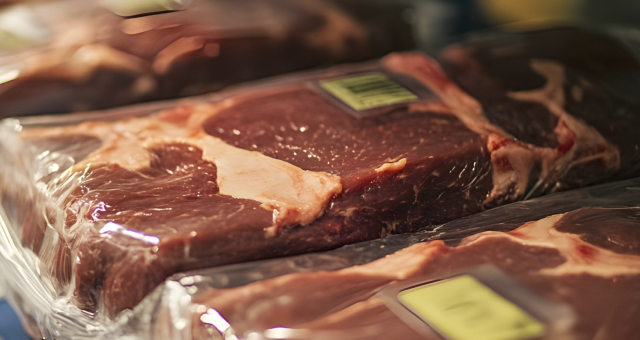
Temperature problems found during food safety audits are often traced back to the fridge or cool room. In most cases, that is not where the problem started. The points in the cold chain where temperature failures most commonly occur are earlier, either during the delivery itself or in the window between a delivery arriving and the product being moved into storage.
The cold chain is the continuous refrigerated environment that perishable food should be kept in from production through to service. For a commercial kitchen, that chain starts the moment a delivery arrives at the door. If a truck ran behind schedule and product was sitting in a warm compartment for longer than it should have been, or if the temperature of product at the bottom of a delivery crate is significantly different from the reading at the top, those problems come through the door with the delivery.
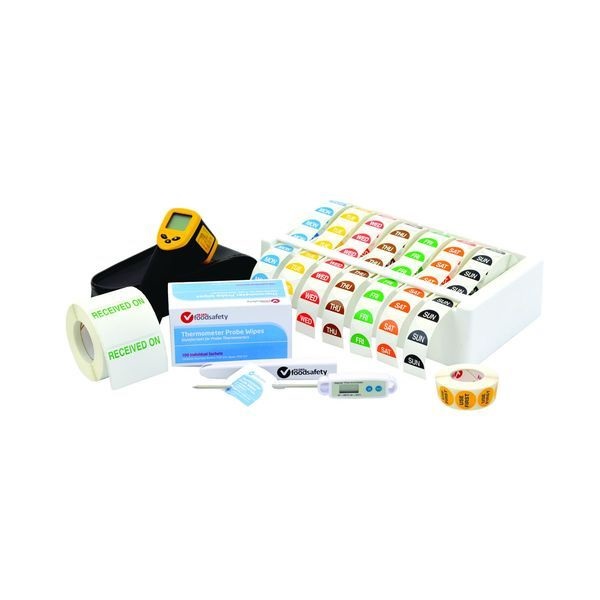
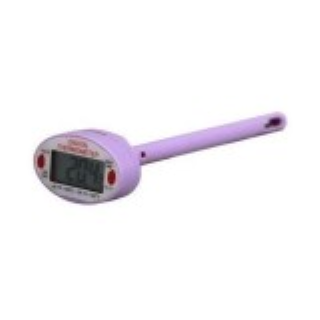
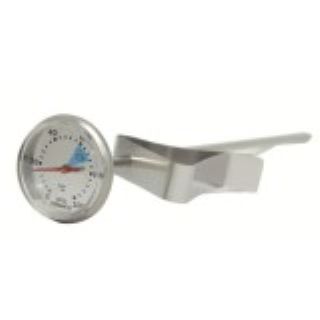
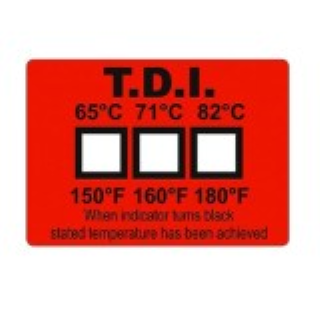
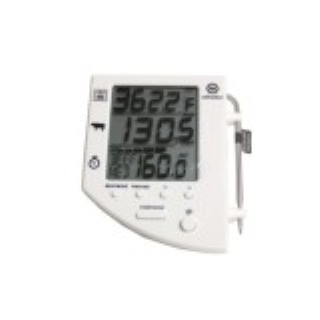
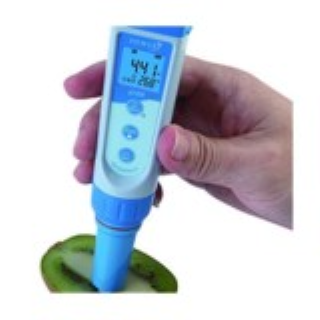
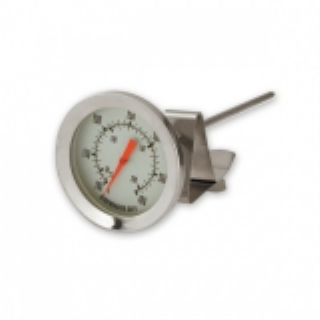
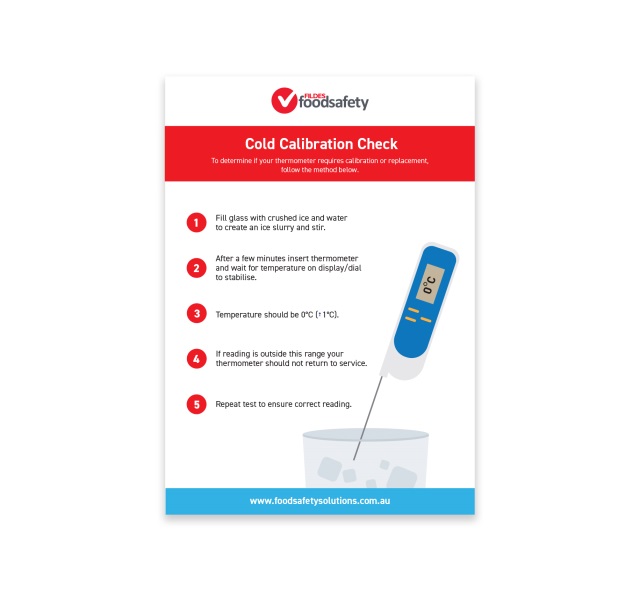
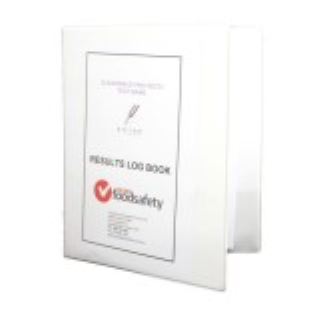
This is why the receiving check matters. Every delivery of temperature-sensitive product should be checked on arrival using a probe thermometer or by reading the temperature indicator on supplier packaging. The check should cover a sample from different parts of the delivery, not just the boxes at the top. And it should be recorded. A receiving log that documents temperatures on arrival is the kind of evidence that shows an auditor or health inspector that your process is functioning.
After receiving, the second common failure point is transfer time. In a busy kitchen, a large delivery can sit in the receiving area while staff are tied up with service or preparation. Refrigerated products left at ambient temperature during this window can warm up enough to move outside the safe zone, even if they are transferred into correct cold storage shortly afterwards.
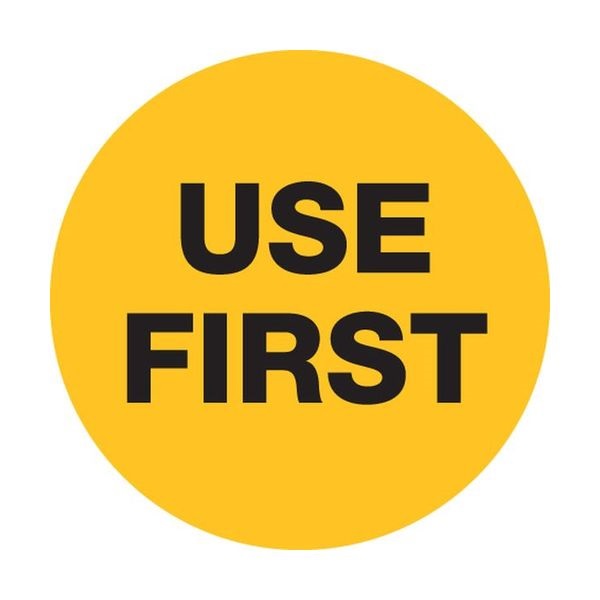
A practical approach is to establish a clear priority order for handling deliveries: frozen product first, then refrigerated, then ambient goods. If deliveries consistently arrive during peak service periods, it is worth looking at whether the delivery schedule can be adjusted.
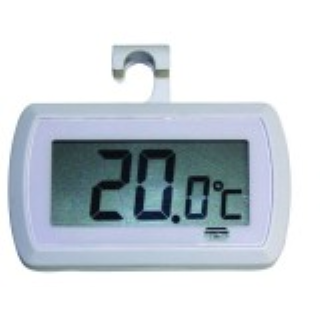
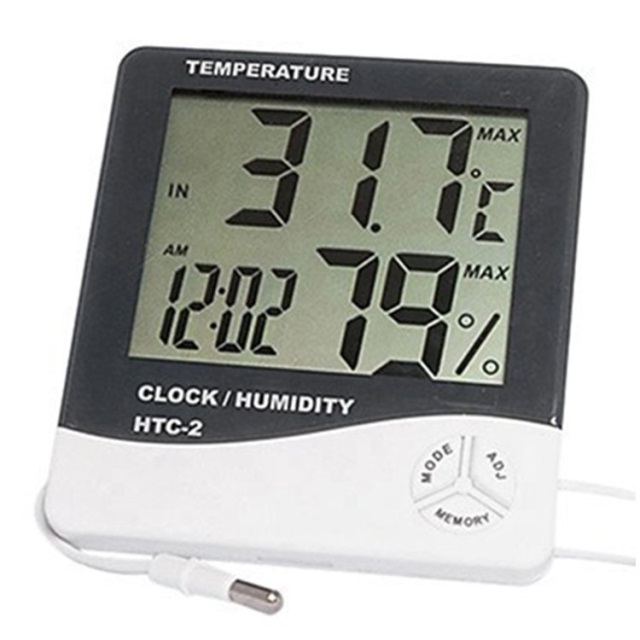
Once product is in storage, consistent temperature monitoring is the key tool. A fridge or cool room that is running is not the same as a fridge that is holding product within the required temperature range. Equipment can run warmer than its set point due to worn door seals, compressor issues, or high load, and the only way to know is to measure and record temperatures regularly.
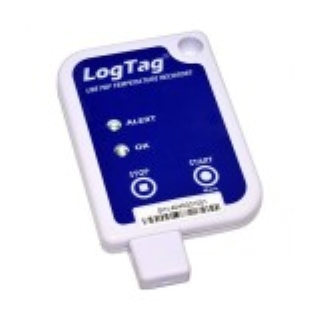
Data loggers offer a more complete picture than manual checks. Where a manual temperature log captures a snapshot twice a day, a data logger provides a continuous record. If something goes wrong overnight, the logger shows whether the temperature excursion was a brief spike or a sustained problem, and whether the product stored during that period should be considered compromised.
A well-equipped kitchen with quality refrigeration can still have cold chain failures if receiving checks are not happening or transfer protocols are not being followed. The cold chain is only as reliable as the weakest point in it.
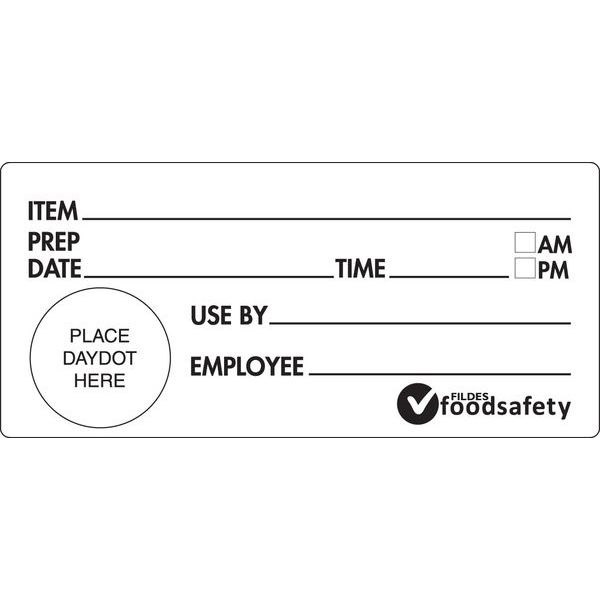
Fildes Food Safety stocks a range of probe thermometers, fridge and freezer thermometers, data loggers, and receiving log templates to support cold chain management in commercial kitchens.
Share