




Food Safety for Catering Events: Managing Compliance Without a Fixed Kitchen
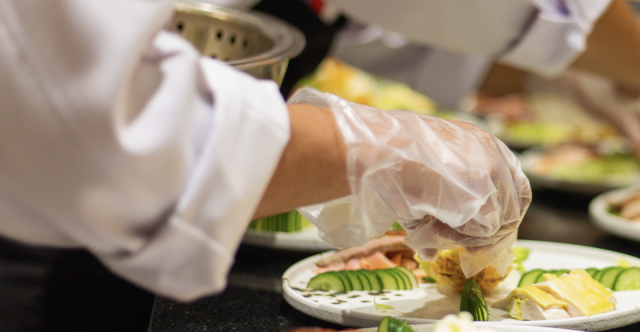
The food safety obligations that apply in your commercial kitchen do not pause because you are operating off-site. Standard 3.2.2 of the Australia New Zealand Food Standards Code applies to food businesses wherever they handle food, and for event caterers, every marquee wedding, corporate function, and festival catering job carries the same compliance requirements as a commercial kitchen, in conditions that make meeting them significantly harder.
Temperature control
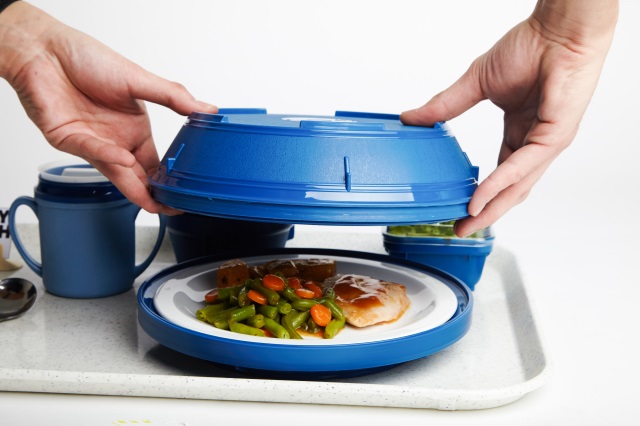
The food safety danger zone sits between 5°C and 60°C. Standard 3.2.2 requires food businesses to take all practical steps to keep potentially hazardous food outside that range. Hot food must be held at 60°C or above. Cold food must be held at 5°C or below. In a permanent kitchen this is managed by fixed equipment. At a marquee or outdoor event site it depends on portable equipment, insulated carriers, and frequent monitoring.
The 2-hour/4-hour rule under Standard 3.2.2 is particularly relevant for event caterers. Food in the temperature danger zone for less than two hours can be refrigerated for later use or served immediately. Food in the danger zone for a cumulative total of two to four hours must be used immediately and cannot be returned to refrigeration. Food held in the danger zone for more than four hours must be discarded. In an event environment without reliable on-site refrigeration, managing this timeline is a core operational requirement, not an afterthought.
Temperature monitoring and documentation
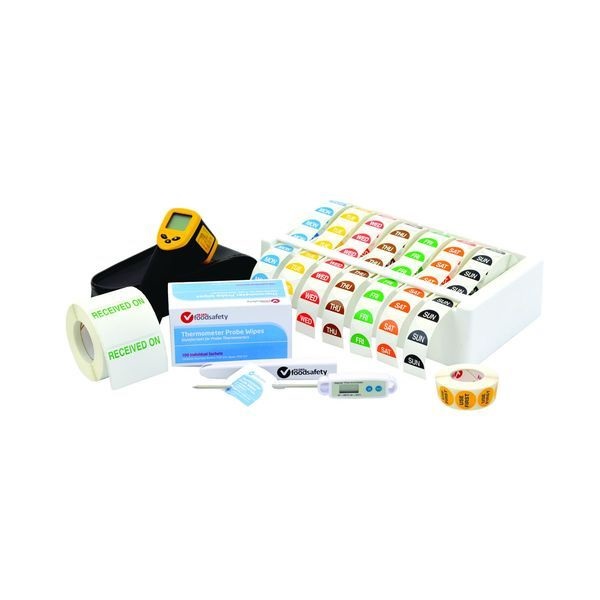
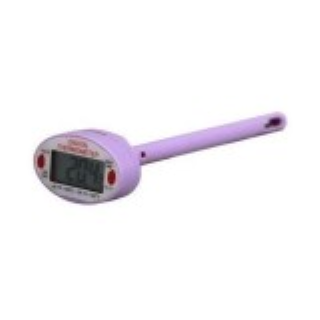
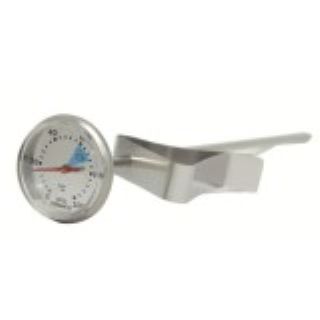
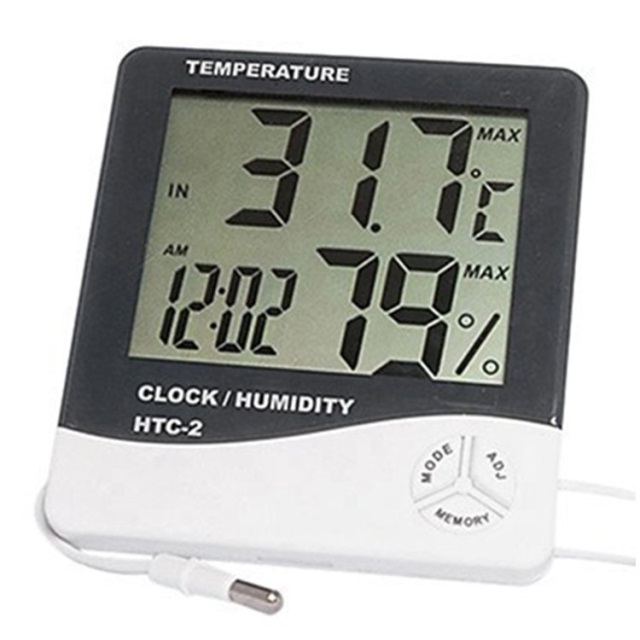
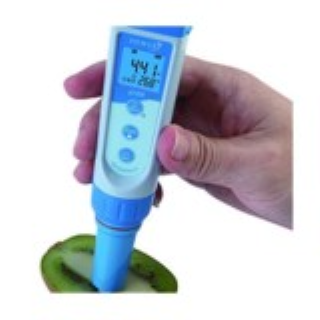
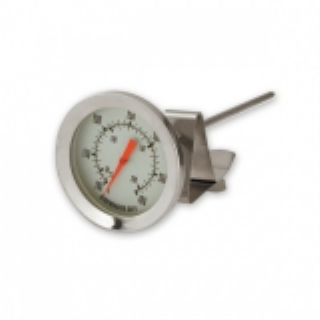
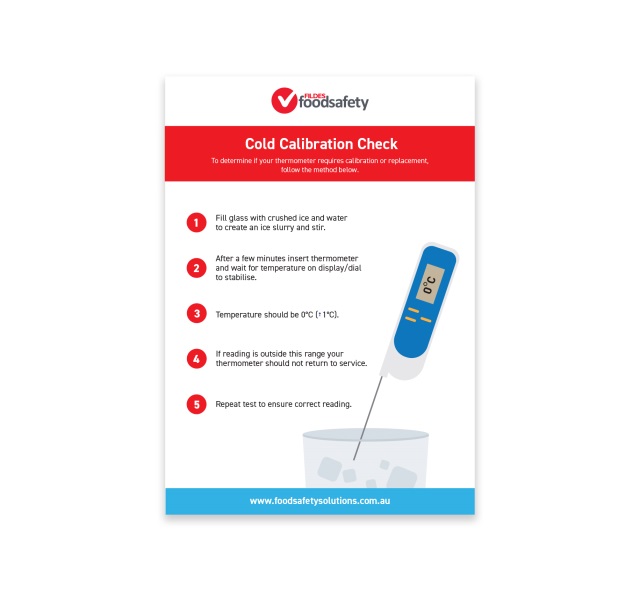
Probe thermometers are not optional for event catering. Temperature cannot be managed without measuring it, and a reading taken at the start of service does not tell you what happened through the middle or end of a long reception. Readings should be taken at regular intervals throughout service and recorded. A temperature log from an event is documentation that your food was managed within safe parameters, which is what an inspector or a concerned client wants to see if something goes wrong.
Cross-contamination risk in temporary setups
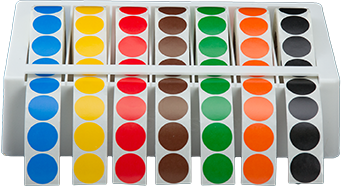
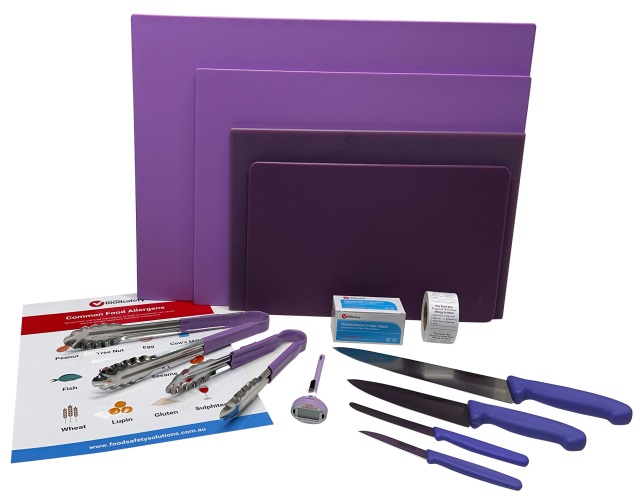
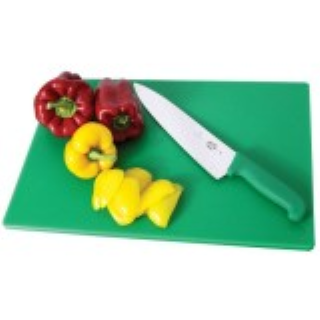
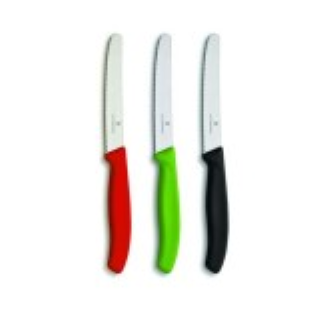
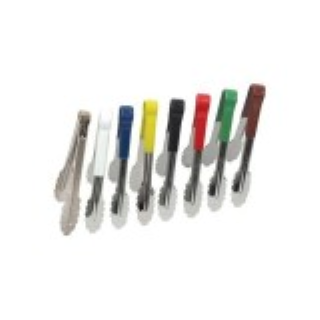
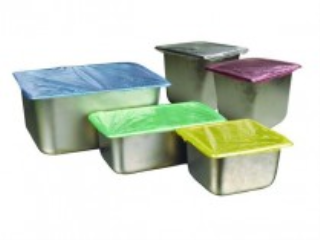
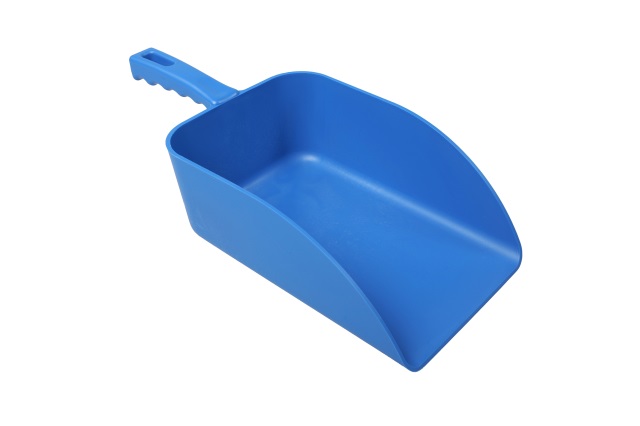
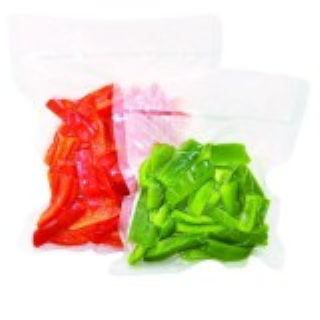
Cross-contamination risk is higher in temporary setups than in a fixed kitchen. Work surfaces are less predictable. Equipment may move between raw and ready to eat preparation. Staff are often working in tighter conditions than they are used to. Pre-packaging as much food as possible before leaving the kitchen, using colour coded preparation equipment on-site, and maintaining separate zones for raw and ready to eat food reduce risk where fixed controls are absent.
Documentation for off-site events
A food safety plan for a catering event should specify how temperature control will be maintained throughout set-up, service, and pack-down, who is responsible for monitoring, what the record keeping process is on the day, and at what point food held in the danger zone will be discarded. A plan that exists for the fixed kitchen but has not been adapted for off-site service does not cover the specific risks of event catering.
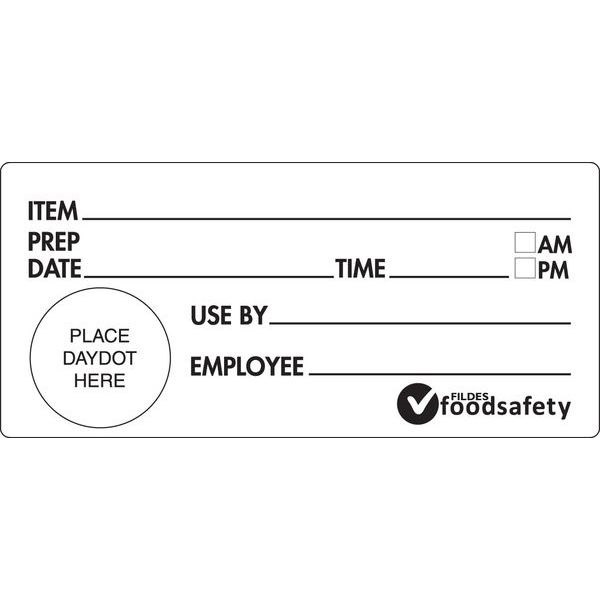
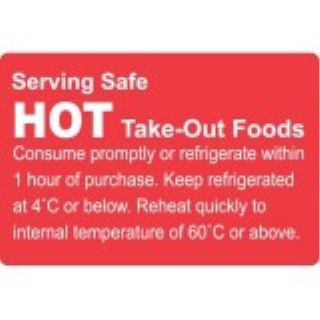
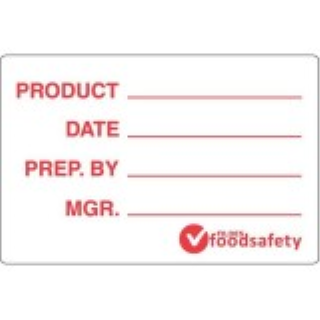
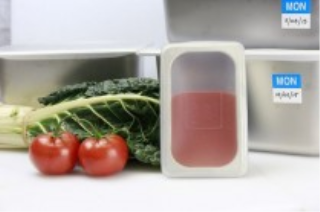
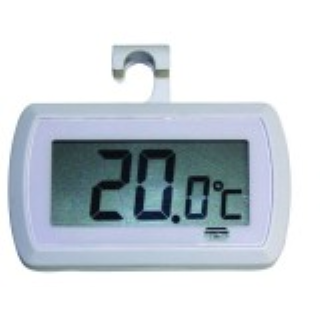
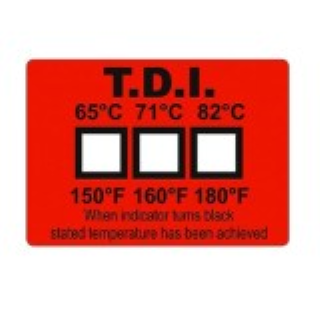
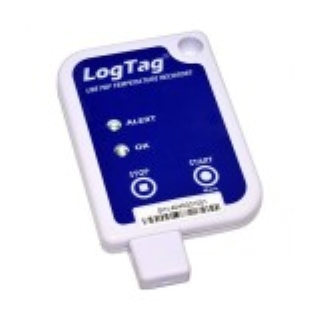
Fildes Food Safety supplies a range of digital probe thermometers and data loggers suited to event catering environments, as well as food labelling products for identifying prepared food during transit and service.
Order online or call 1800 673 644 or email sales@fildesfoodsafety.com.au.
Share