











Food Safety for Meal Prep and Delivery Operations: Where the Obligations Differ from Traditional Service
Commercial kitchens, meal prep services, and delivered ready-meal operations sit at an interesting edge in Australian food safety regulation. The obligations under the Australia New Zealand Food Standards Code are the same as for any other commercial kitchen, but the way they manifest in practice differs in several areas, and those differences are where compliance gaps tend to emerge.
Labelling requirements for delivered food
The most significant difference is labelling. A restaurant serves food immediately or within a controlled service period. A delivery operation sends food into an environment it cannot control once the order leaves the kitchen. Under Standard 1.2.5 of the Australia New Zealand Food Standards Code, food for sale that is not intended for immediate consumption must carry a use-by or best-before date. For a meal delivery business sending out prepared, refrigerated, or frozen meals, this is a legal requirement.
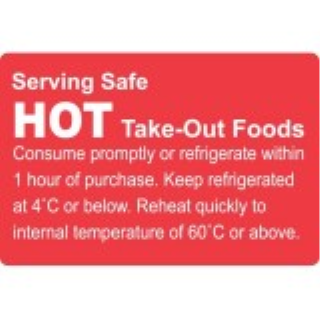
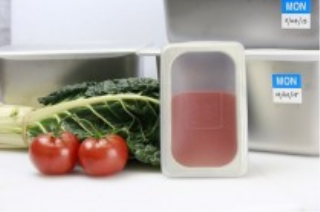
The label on a delivered meal needs to tell the customer how to store it and by when it must be consumed. At minimum, this means a use-by date and storage instructions. For businesses delivering products containing declarable allergens under Standard 1.2.3 of the Code, allergen declarations on the label are also mandatory. Managing this correctly across multiple product lines with different compositions and shelf lives requires a consistent labelling system, not ad hoc solutions that vary by order or by staff member.
The cold chain extends beyond the kitchen door
The cold chain for a delivery operation extends well beyond the kitchen in a way it does not for dine-in service. Standard 3.2.2 requires food to be transported under conditions that do not compromise its safety. For refrigerated deliveries, this means maintaining product at 5°C or below throughout transit. For frozen product, food must remain solidly frozen. Third-party delivery platforms are generally not equipped to guarantee temperature maintenance for food, which means operators need to think carefully about packaging, insulation, and a realistic transit window when deciding what can safely be delivered through these channels.
Batch tracking and traceability
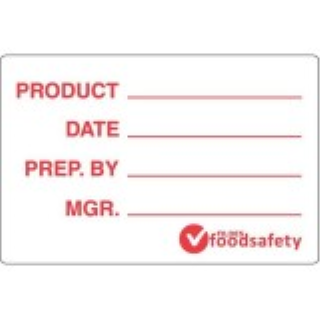
Date coding and batch tracking are more important in a delivery model because any quality or safety issue with a product may not surface until days after the food left the kitchen. A system that allows you to trace a batch back to when it was made, what ingredients were used, and when it was dispatched is what makes a corrective action manageable when something goes wrong, rather than requiring a broad product withdrawal because you cannot identify the affected batches.
Standard 3.2.2A and delivery operations
Standard 3.2.2A applies to meal delivery operators who prepare and pack ready-to-eat food. Category 1 businesses must have a certified Food Safety Supervisor with a current certificate renewed every five years, ensure food handlers have appropriate skills and knowledge, and be able to demonstrate they are monitoring and managing key food safety risks. If your operation falls within this category and you are not yet across the requirements, reviewing your food safety plan against the standard is worth prioritising.
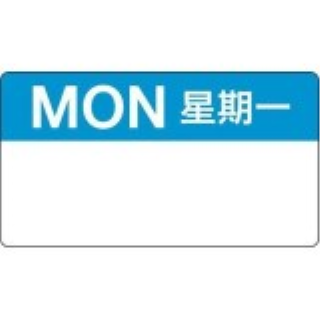
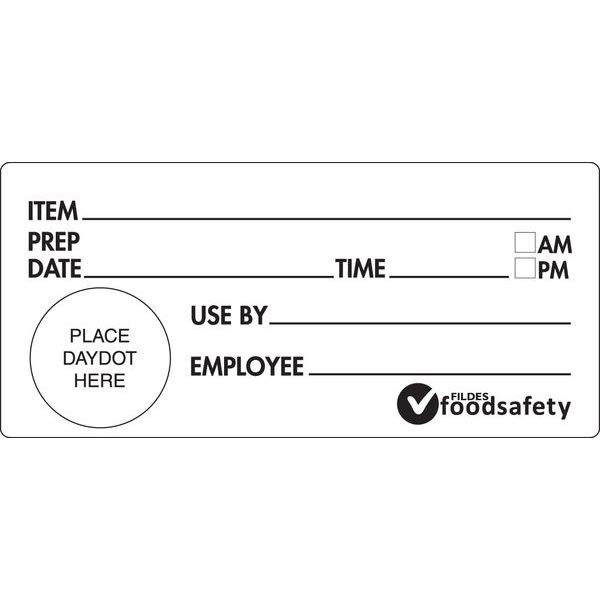
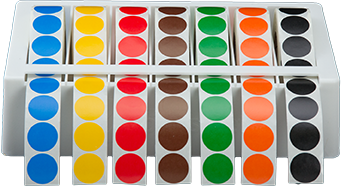
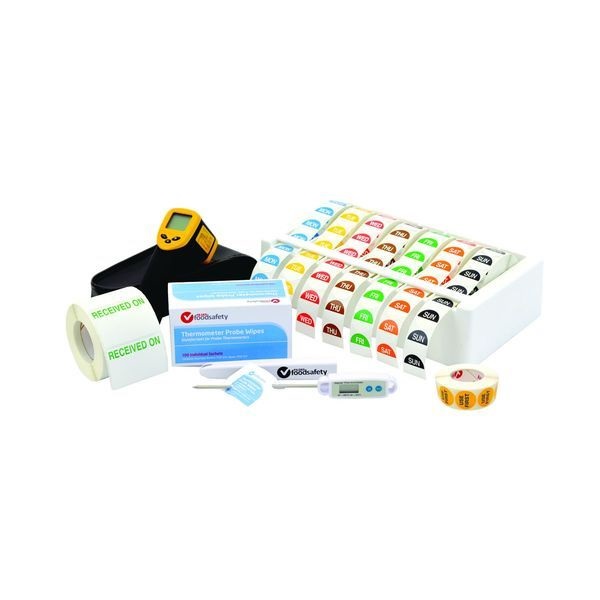
Fildes Food Safety produces custom labels for delivery operations, including date-coded product labels and allergen advisory labels in a range of adhesive types for different packaging formats. The labelling and rotation range also includes use-by and use-first labels for kitchen production and pack-out environments.
To discuss a labelling solution for your delivery operation, visit www.foodsafetysolutions.com.au, call 1800 673 644, or email sales@fildesfoodsafety.com.au.
Share