









Buffet and Self-Service Food Safety: Small Oversights, Big Consequences
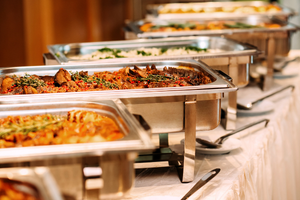
Hotel breakfast service, conference catering, buffets, and function food stations share a risk profile that differs from plated service in ways that matter for compliance. When food is accessible to the public for an extended period without the control of individual plate service, the temperature, display, and contamination risks compound quickly.
Temperature holding obligations
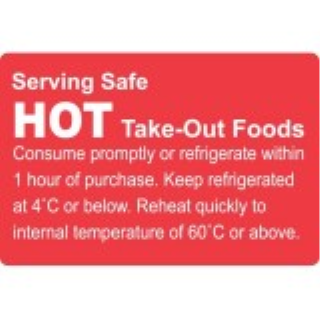
Under Standard 3.2.2 of the Australia New Zealand Food Standards Code, hot food on display must be held at 60°C or above. Cold food on display must be held at 5°C or below. In a buffet environment, maintaining these temperatures across a two-hour breakfast service or a four-hour function requires equipment that is actively heating or cooling the food, not simply insulating it from the ambient temperature of the room.
The 2-hour/4-hour rule applies in buffet settings in the same way it does in any other part of the kitchen. Food in the temperature danger zone (5°C to 60°C) for less than two hours can be returned to temperature control or used immediately. Food in the danger zone for a cumulative two to four hours must be consumed immediately and cannot be recovered by refrigeration. Food that has exceeded four hours must be discarded. In a buffet environment where food is transported from the kitchen before service begins, that cumulative time starts at the kitchen, not at the buffet station.
Replenishment protocols
Replenishment is an area where many operators fall short. Topping up a serving bowl or tray combines fresh food with food that has already been sitting at the station. This resets the visual presentation but does not reset the food's time in the danger zone. The standard practice for buffet replenishment is to replace, not top up: remove the serving vessel entirely and bring out fresh product in a clean vessel. This is also the point at which the temperature of the incoming food should be checked.
Allergen identification at self-service
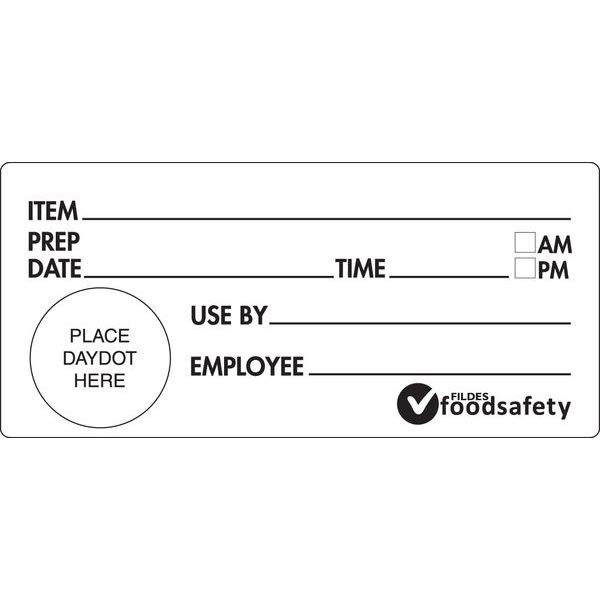
Allergen identification at a buffet carries particular weight because guests are self-selecting food without the opportunity to speak to a server before helping themselves. Under Standard 1.2.3 of the Australia New Zealand Food Standards Code, food businesses must be able to provide accurate allergen information on request. For a buffet environment, the most practical way to meet this obligation is display labelling that identifies each dish and its key allergen content, so guests can make informed decisions without needing to locate staff during a busy service.
Serving utensils
Serving utensils are a consistent focus during buffet inspections. A shared serving spoon moved between dishes is a cross-contamination risk and an allergen cross-contact risk. Each dish should have its own dedicated utensil, positioned so guests naturally use it rather than reaching for a neighbour's, and replaced promptly when a utensil falls into the food or is otherwise contaminated.
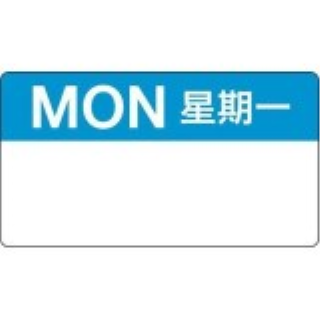
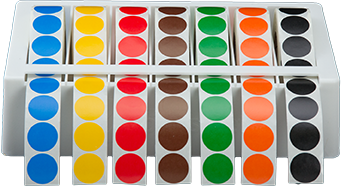
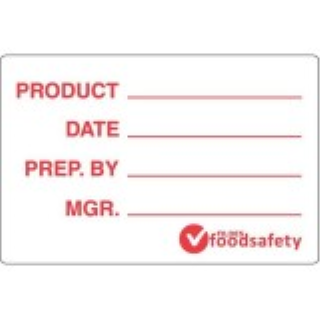
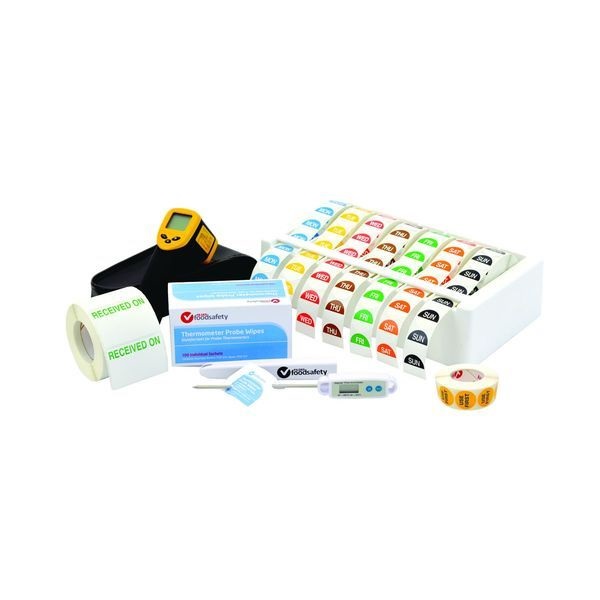
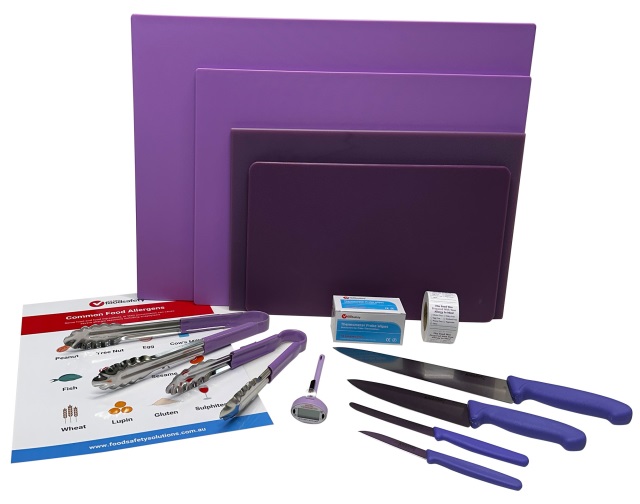
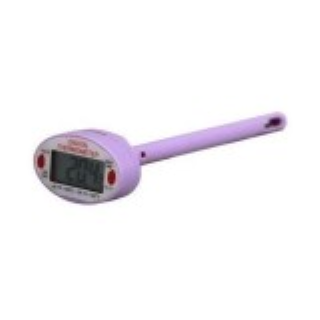
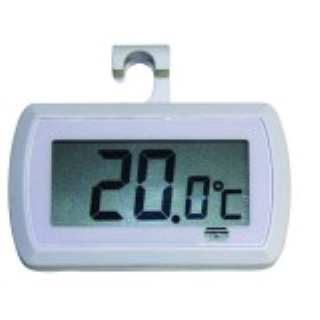
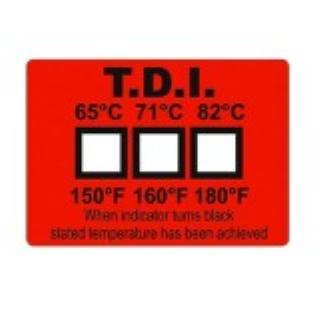
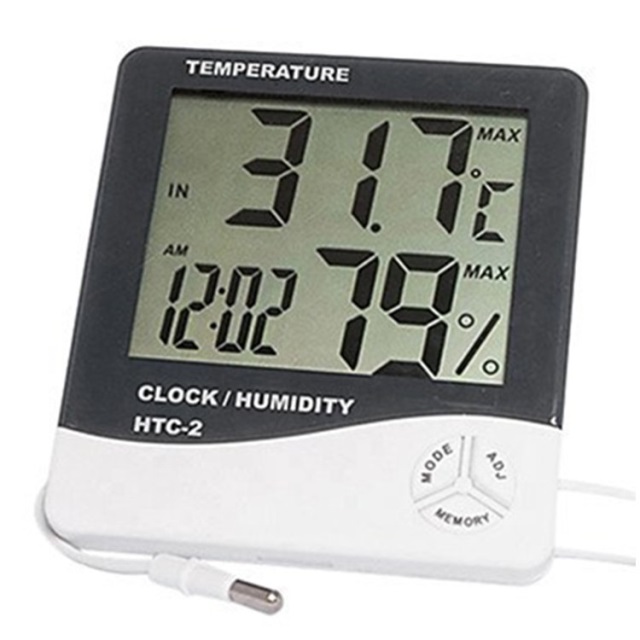
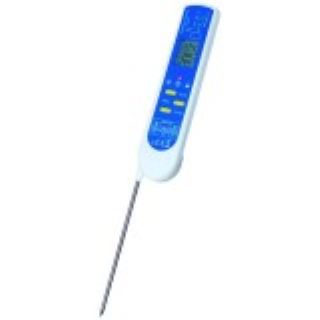
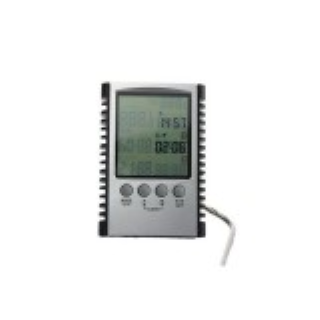
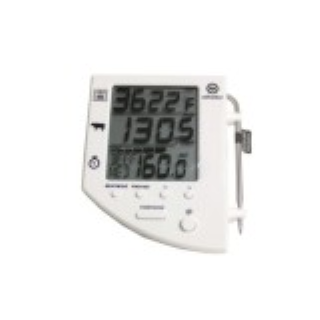
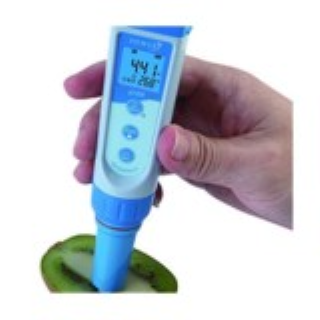
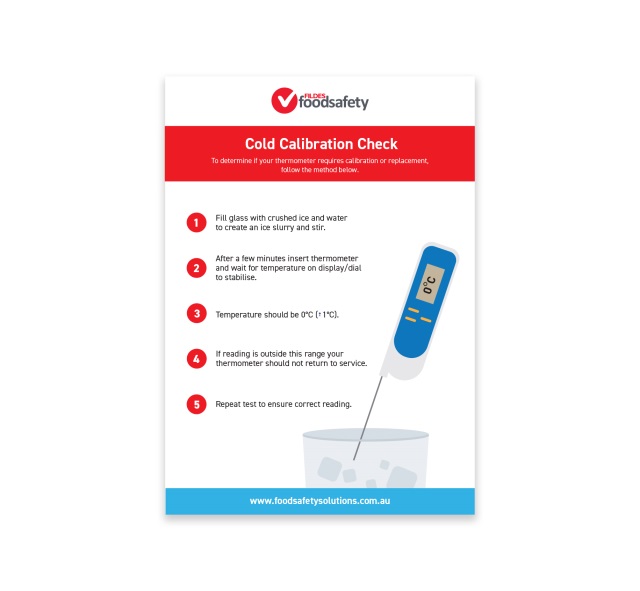
Fildes Food Safety stocks a range of digital probe thermometers for checking buffet food temperatures throughout service, food advisory labels for allergen and dietary identification at display stations, and data loggers for continuous temperature recording during extended service periods.
Browse the full range at www.foodsafetysolutions.com.au, or call 1800 673 644 or email sales@fildesfoodsafety.com.au.
Share