





Preparing for a Food Safety Inspection
Food safety inspections in Australia are conducted by Environmental Health Officers from your local council, under the food safety legislation of your state or territory. They can be scheduled, complaint-driven, or unannounced, and the standards against which your kitchen is assessed are the same regardless of how the inspection was triggered.
The standards your kitchen is assessed against
Inspectors assess against three standards from the Australia New Zealand Food Standards Code:
• Standard 3.2.2: Food Safety Practices and General Requirements
• Standard 3.2.2A: Food Safety Management Tools
• Standard 3.2.3: Food Premises and Equipment
State Food Acts provide the enforcement framework that gives Environmental Health Officers the authority to issue improvement notices, prohibition orders, or fines where breaches are found:
• Food Act 2008 (WA)
• Food Act 2003 (NSW)
• Food Act 1984 (VIC)
Temperature records
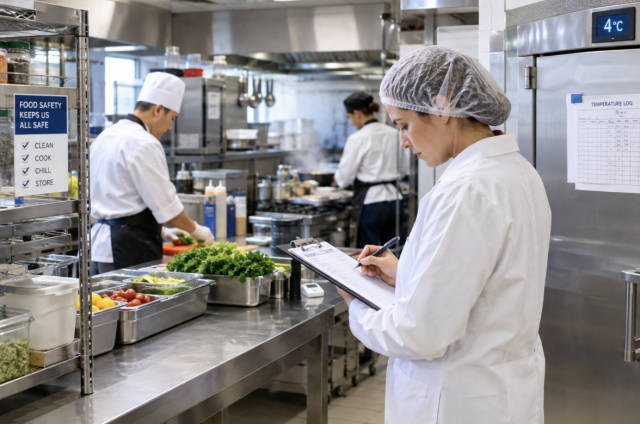
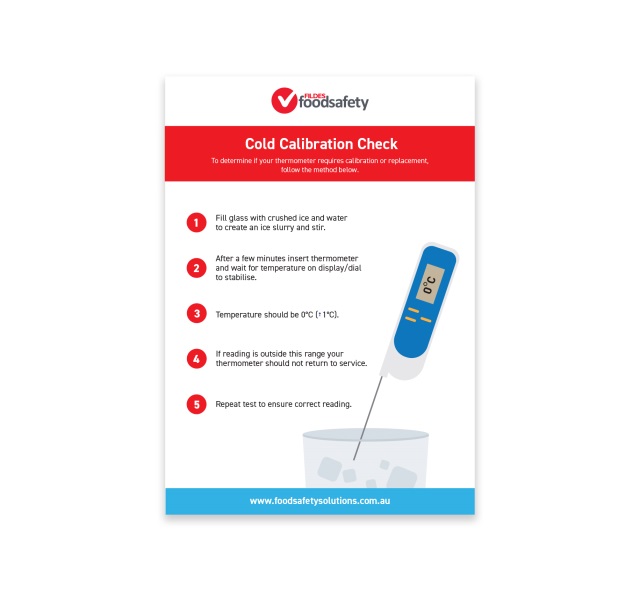
Temperature records are consistently among the first things an inspector examines. Under Standard 3.2.2, food businesses must demonstrate that potentially hazardous food has been kept at safe temperatures throughout its handling: at receiving, in storage, during cooking, cooling, and service. Inspectors will want to see temperature logs covering each of these stages and will look for gaps. A log with missing entries across several days, or one that records only a single daily reading when your kitchen operates across two services, raises questions that are difficult to answer during an inspection visit.
Food labelling and date coding in storage
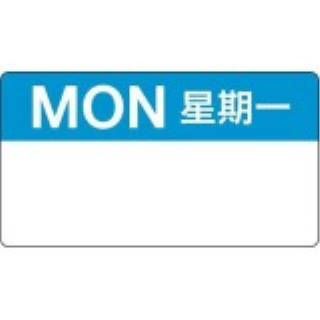
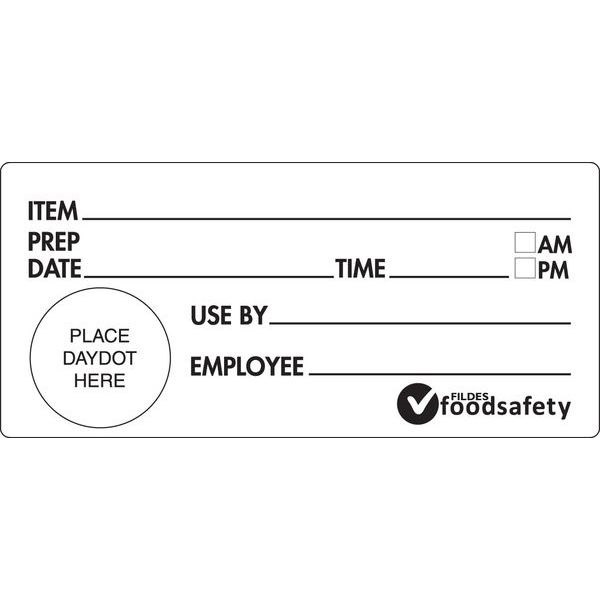
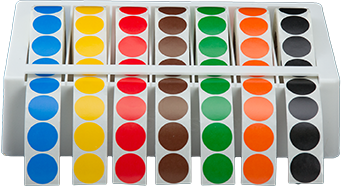
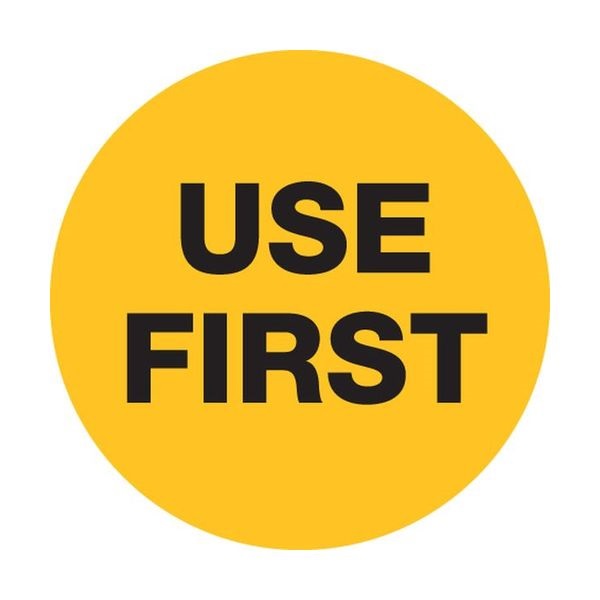
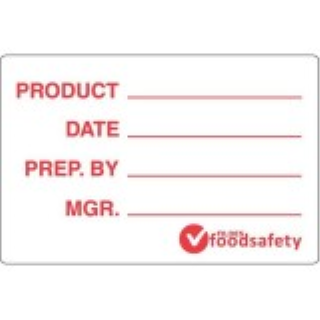
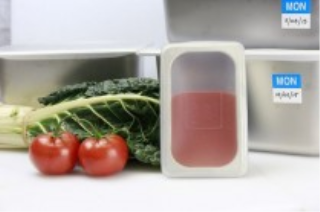
Unlabelled containers in a cool room or freezer are a common inspection finding. Products past a use-by date still held in storage are a more serious one. Standard 3.2.2 requires food businesses to ensure food is safe and suitable, and a kitchen where prepared food in storage cannot be identified by when it was made or when it must be discarded is not demonstrating adequate controls. Under Standard 3.2.2A, Category 1 businesses must also be able to show their food is safe, and date labelling on stored product is part of that evidence.
Food handling and personal hygiene
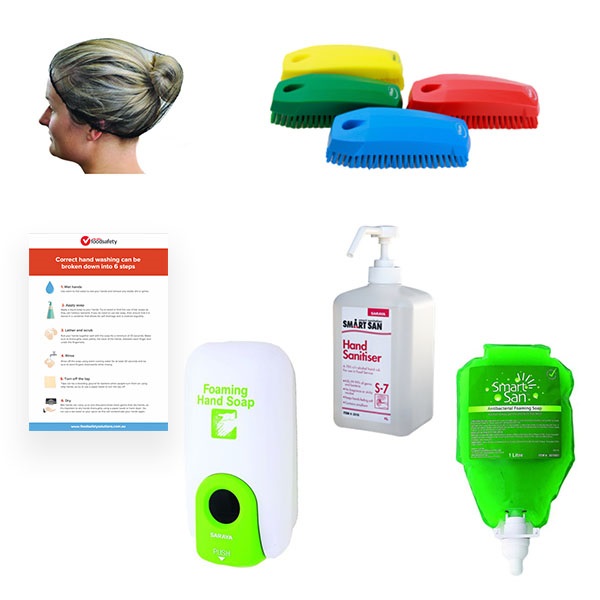
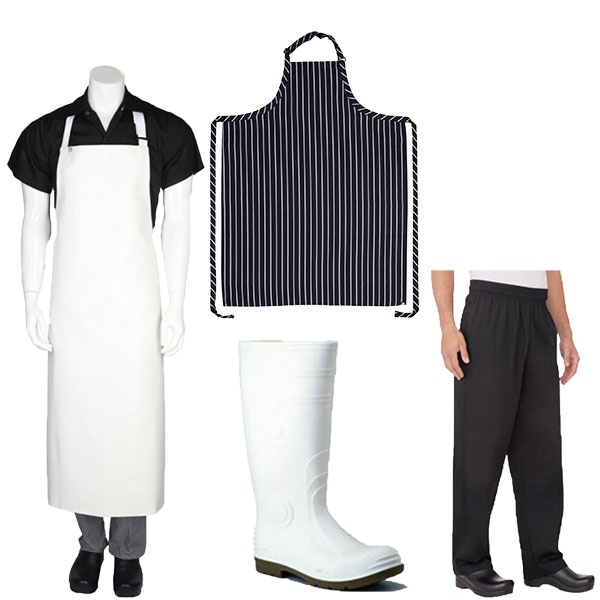
Personal hygiene and food handling practice is assessed by observation during the inspection visit, not only by reviewing documentation. Standard 3.2.2 sets requirements for hand washing, the use of protective clothing, exclusion of ill food handlers, and the handling of ready-to-eat food. Inspectors observe what is happening in the kitchen during their visit. A kitchen where practices differ between busy service shifts and quieter periods will produce inconsistent outcomes when inspected at different times.
Premises and equipment condition
Standard 3.2.3 covers the physical condition of your premises and equipment. Inspectors assess food contact surfaces, whether equipment is cleanable, whether storage areas allow adequate air circulation, and whether the design of the facility prevents contamination risks.
Older facilities tend to accumulate findings in this area as surfaces wear and become more difficult to clean effectively over time.
Standard 3.2.2A: demonstrating food is safe
Under Standard 3.2.2A, Category 1 businesses (those serving unpackaged ready-to-eat food) must be able to actively demonstrate their food is safe. This is distinct from simply having records in place. It requires monitoring of critical control points and the ability to show that monitoring is functioning. A Food Safety Supervisor with a current certificate, renewed every five years as required by the standard, is a compliance requirement for both Category 1 and Category 2 businesses.
The kitchens that come through inspections well are not always the most sophisticated. They are the ones where the same checks happen consistently across every shift, where records are complete and current, and where the food safety supervisor is genuinely across the system rather than simply holding a certificate.
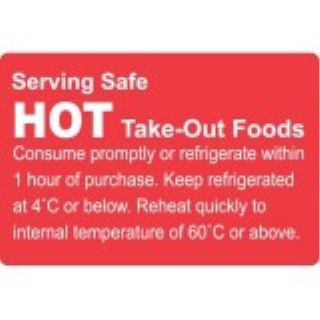
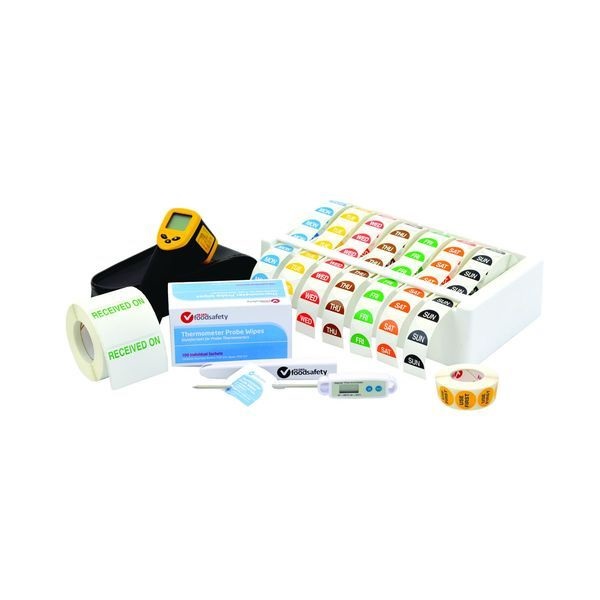
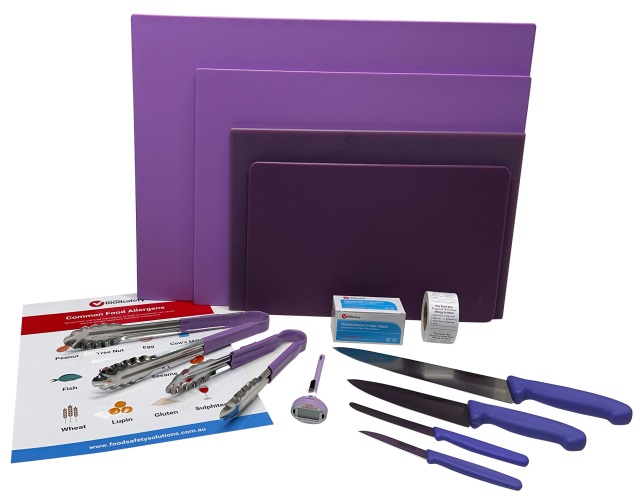
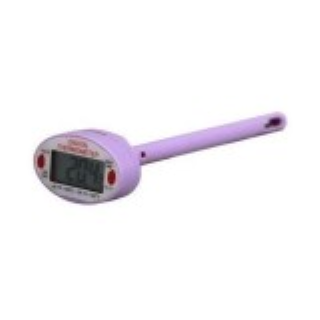
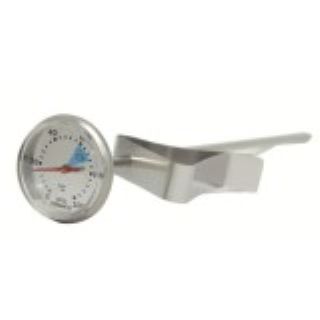
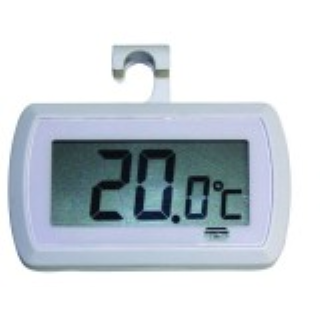
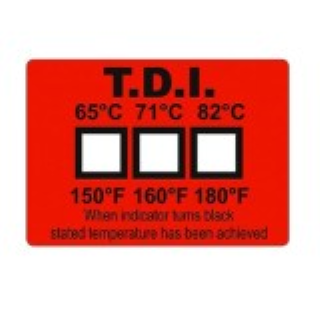
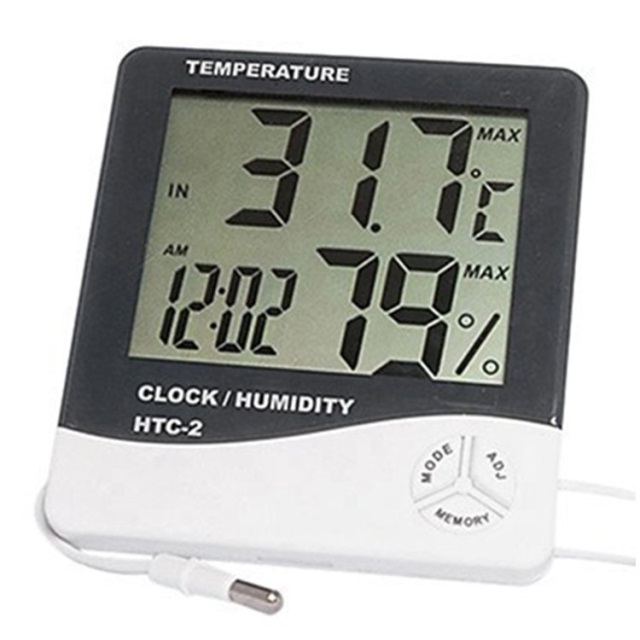
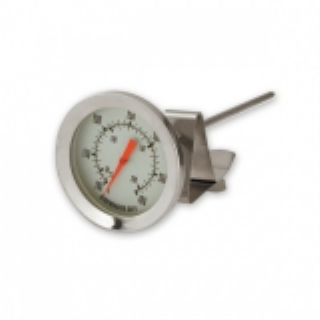
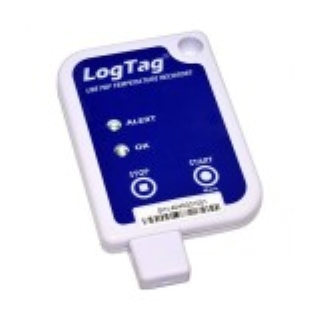
Fildes Food Safety supplies probe thermometers and data loggers for temperature monitoring and record-keeping, date and rotation labels for storage compliance, and food advisory labels for clear identification of prepared and stored food.
Discover our range of products to help with compliance: visit www.foodsafetysolutions.com.au, call 1800 673 644, or email sales@fildesfoodsafety.com.au.
Share